

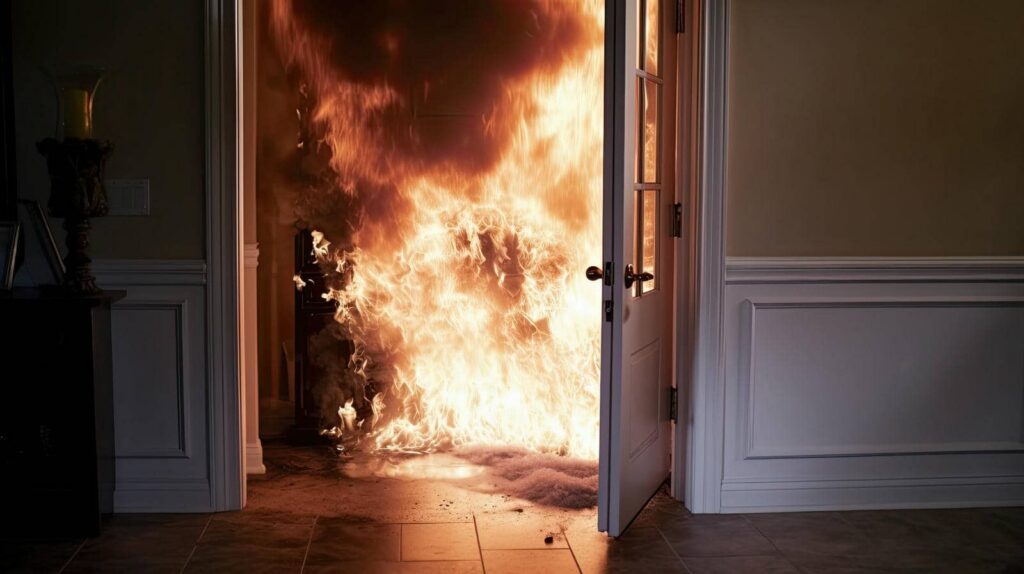
Smoke Odor Removal should begin as soon as possible after a fire to prevent smoke particles and odors from penetrating deeper into your property. Start by ventilating the affected area, then use HEPA filtration and activated carbon air scrubbers to help remove airborne smoke particles and lingering odors. Hard surfaces should be cleaned with appropriate degreasing products, while fabrics, flooring, and porous materials often require specialized deodorization techniques. A thorough cleaning and odor removal process helps eliminate persistent smoke smells, improve indoor air quality, and prevent odors from returning over time.
Key Takeaways
- Ventilate immediately and use HEPA plus activated carbon air cleaners to remove airborne smoke particles and odors.
- Clean hard surfaces with a degreasing detergent to remove sticky smoke residue that traps smell.
- Wash fabrics, carpets, and rugs with odor-eliminating cleaners, using HEPA vacuuming for deep debris.
- If odor persists, professional ozone, hydroxyl, or thermal fogging treatments may be needed for deep contamination.
- Prevent return odors by sealing porous materials, replacing HVAC filters, and keeping humidity below 60%.
How to Remove Smoke Odor Fast
To remove smoke odor fast, you need to target both the airborne particles and the surfaces that hold them.
You should ventilate the space immediately, then run HEPA filtration and activated carbon air cleaners to capture fine residue and neutralize volatile compounds.
Next, you need to wash hard surfaces with a degreasing cleaner, because standard soap won’t fully lift smoke film.
Launder fabrics with an odor-eliminating detergent, and dry them completely.
If the smell persists, use ozone or hydroxyl treatment only with trained professionals, since misuse can damage materials and create hazards.
The best methods for smoke odor removal combine quick source control, thorough cleaning, and controlled air treatment.
When you act decisively, you restore a cleaner environment and feel confident you belong in it again.
Why Smoke Odor Soaks Into Surfaces
Smoke odor soaks into surfaces because smoke contains tiny particles, sticky tar, and volatile compounds that bond to porous materials and cling to microscopic texture.
You’re dealing with contamination that moves beyond the air and settles into fibers, wood grain, drywall pores, and other irregular surfaces. Heat opens those pores, and as the materials cool, they trap residue inside.
Smaller particles penetrate deeper, while oily compounds create a persistent film that keeps releasing odor over time. You can’t rely on ventilation alone because the source isn’t just airborne; it’s embedded.
Smaller particles sink deeper, while oily residue lingers and keeps releasing odor long after the smoke clears.
That’s why smoke damage feels so stubborn in shared spaces after fire loss. You’re not imagining it—these residues form a layered deposit that holds smell until you break the bond and remove the contamination.
Clean Smoke Odor From Walls, Fabrics, and Floors
Start with the surface type, because walls, fabrics, and floors each hold smoke residue differently and need targeted cleaning to release odor. You’ll remove that residue by matching the cleaner to the material and working in controlled sections.
Wipe painted walls with a mild detergent solution, then rinse lightly.
Wash fabrics with detergent plus oxygen cleaner if the label allows.
Vacuum carpets and rugs slowly with a HEPA filter.
Mop hard floors with a pH-neutral cleaner, then dry them fully.
Use clean microfiber cloths so you don’t redeposit soot. Change water often, and ventilate the area while you work.
If you stay systematic, you’ll protect the finish, reduce lingering odor, and bring the space back to a place that feels like home.
When to Call Smoke Odor Pros
Call smoke odor professionals when the smell persists after thorough cleaning, keeps returning, or has penetrated porous materials such as insulation, subflooring, drywall, or HVAC ducts.
You’re likely dealing with deep contamination, not surface residue, and standard cleaning won’t fully resolve it. A qualified team can assess the source, isolate affected zones, and use targeted decontamination methods that you can trust.
You’re likely dealing with deep contamination, not surface residue, and standard cleaning won’t fully resolve it.
They may apply thermal fogging, hydroxyl treatment, ozone under controlled conditions, or HEPA filtration, depending on the material profile and severity.
You’ll get a safer, faster path to a fully restored space, with fewer surprises and less rework.
If you want your home to feel clean again and support your household’s comfort, calling specialists is the right move.
Stop Smoke Odor From Coming Back
To keep smoke odor from returning, you need to remove both the source and the residue pathways that trap and re-release it.
Seal porous materials after cleaning, because drywall, insulation, and textiles can hold volatile compounds and leak them back into air. Maintain negative pressure during repairs, and run HEPA and activated-carbon filtration until readings stabilize.
Replace HVAC filters, clean ducts, and keep return vents closed during restoration. You’re part of a group that wins this by following the science.
Wash hard surfaces with alkaline cleaner.
Discard saturated insulation and padding.
Control humidity below 60%.
Reinspect hidden cavities after drying.
Frequently Asked Questions
How Long Does Smoke Odor Typically Last After a Fire?
Smoke odor can last days to months, and sometimes years, if you don’t remove soot, clean porous materials, and ventilate properly. You’ll need prompt remediation, because lingering particles keep releasing smell into your home.
Can Smoke Odor Affect Indoor Air Quality and Health?
Yes—smoke odor can degrade your indoor air quality by releasing fine particles and volatile compounds, so you’re exposed to irritants that can trigger coughing, headaches, and worsened asthma unless you remove them promptly.
What Personal Items Are Hardest to Deodorize After Smoke Exposure?
You’ll find porous items like upholstered furniture, mattresses, books, and stuffed fabrics hardest to deodorize; smoke particles embed deeply, and the odor can cling like a superglue. Electronics, though less porous, often trap residue internally.
Is Smoke Odor Removal Covered by Homeowners Insurance?
Yes, you’re often covered if the smoke came from a covered peril, but you’ll need to document losses and review exclusions. You should contact your insurer quickly; they’ll usually require professional remediation estimates.
How Can HVAC Systems Spread Smoke Odor Throughout a Home?
Smoke odor spreads when you run your HVAC, because ducts can circulate contaminated air room to room. Odor particles can lodge in filters and coils, so you’ll need thorough cleaning and filtration.
Recap
To remove smoke odor fast, you need to act immediately: ventilate the space, run HEPA and activated carbon air cleaners, and clean every affected surface with the right products. Smoke particles cling like invisible soot in a web, so wash walls, launder fabrics, and vacuum thoroughly with HEPA filtration. If the odor still lingers, call a professional. Then seal porous materials and control humidity so you don’t let the smell return.