
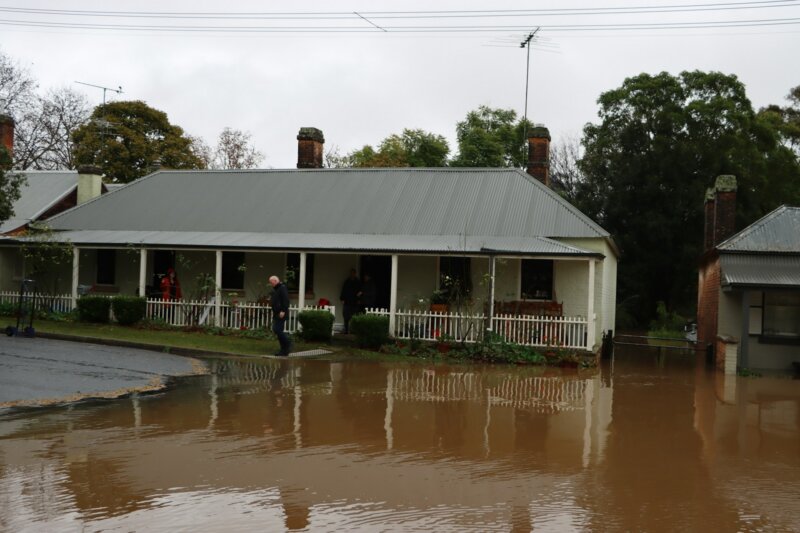
Floods can be a devastating experience for homeowners, leaving behind a trail of damage that can seem overwhelming to address. However, with the right approach and the proper tools, you can reclaim your home and restore it to its former glory. With that in mind, we’ll walk you through the essential steps to assess the damage, clean up, dry out, and repair your Indianapolis property after a flood.
Assessing the Damage: First Steps to Take
When a flood hits your home, the first thing to do is assess the damage. Start by making sure it’s safe to enter your home. If there is standing water or the electricity is still on, wait until it is safe. After you’re sure it’s safe, put on protective gear like boots and gloves.
Walk through your home and take note of any visible damage. Look at walls, floors, furniture, and personal items. Take lots of photos and videos to document the damage. This will come in handy when dealing with your insurance company. Make a list of damaged items and estimate their value.
Next, remove any water as quickly as possible. If you have access to a pump, use it to get rid of standing water. Towels and mops can help with smaller puddles. Getting rid of water fast helps prevent mold and further damage. Remember to stay safe and take your time. Rushing can lead to mistakes or injuries.
Essential Tools and Supplies for Flood Cleanup
Cleaning up after a flood requires the right tools and supplies. Having these on hand will make the process smoother and more efficient.
1. Buckets and Mops: These are essential for removing excess water. Use buckets to carry water out of your home and mops to soak up what remains.
2. Protective Gear: Wear gloves, rubber boots, and masks to protect yourself from contaminants in the water.
3. Wet/Dry Vacuum: This can be especially useful for sucking up water from carpets, floors, and other surfaces. Make sure the vacuum is designed for wet use.
4. Fans and Dehumidifiers: These help dry out your home faster. Place fans in windows or doorways to help circulate air. Dehumidifiers will reduce moisture in the air, preventing mold growth.
5. Cleaning Supplies: Use disinfectants and mold-killing products to clean surfaces and prevent bacteria from spreading.
6. Trash Bags: Keep large trash bags handy for disposing of ruined items and debris. Make sure to separate any items that can be saved from those that can’t.
7. Tool Kit: Basic tools like a hammer, screwdriver, and pliers can help with minor repairs and taking apart furniture for cleaning.
Having these items ready and accessible will help you tackle the cleanup process effectively. Being prepared will save you time and effort, allowing you to focus on restoring your home.
Drying Out and Dehumidifying Your Home
Drying out your home after a flood is crucial to prevent further damage and mold growth. Start by removing any remaining water with buckets, mops, or a wet/dry vacuum. Once the standing water is gone, you can focus on the drying process.
First, increase airflow by opening windows and doors. Place fans in strategic locations to help circulate air. This will speed up the drying process. If it’s safe, using your air conditioner or heating system can also help remove moisture from the air.
Next, use dehumidifiers to reduce humidity levels. Place them in closed-off rooms to help draw out moisture from the air. Remember to empty the dehumidifiers regularly, as they will fill up quickly. You can also use moisture-absorbing materials like silica gel packs or desiccant bags in smaller areas and closets.
Drying out carpets and rugs can be tricky. If they are soaked through, it might be best to remove and replace them. If they are only damp, roll them up and take them outside to dry in the sun. Make sure to clean and disinfect both sides before bringing them back inside.
For wet walls and insulation, you may need to cut away damaged sections. This allows the underlying structure to dry properly. Remember, thoroughly drying your home is key to preventing mold and mildew.
Repair and Restoration: Bringing Your Home Back to Life
Once your home is dry, it’s time to start the repair and restoration process. Begin by making a list of all the repairs needed. This can include replacing drywall, insulation, flooring, and more. Prioritize tasks based on urgency and safety.
For minor repairs, you might be able to handle them yourself. Follow guides for drywall replacement or floor repairs, and make sure you have the right tools and materials. Painting walls with mold-resistant paint can add an extra layer of protection against future problems.
For more significant damage, consider hiring professionals. They have the expertise and equipment to restore your home safely and effectively. This can include structural repairs, electrical work, or plumbing fixes. Always get multiple quotes and check references before choosing a contractor.
Also, don’t forget about your personal belongings. Some items might be salvageable with proper cleaning and disinfecting. Furniture, textiles, and keepsakes can often be saved if cleaned quickly and correctly.
Throughout the restoration process, keep detailed records. Documenting the repairs helps with insurance claims and ensures you haven’t missed any critical steps. Bringing your home back to life after a flood takes time and effort, but with careful planning and execution, it can be done.
Navigating Flood Recovery
Dealing with flood damage can be overwhelming, but understanding the steps to take makes a huge difference. From assessing the damage and having the right tools to drying out your home and starting repairs, each stage is vital to a successful cleanup. Taking these steps helps protect your home from future issues and brings it back to a livable condition.
Floods can happen unexpectedly, leaving you with a lot to handle. Acting quickly and efficiently ensures your home is safe for your family. If you find yourself in over your head or need expert advice, don’t hesitate to seek professional assistance.
At Guardian Angel Restoration, we’re ready to help you restore your home after a flood. Contact our flood damage restoration company in Indianapolis today for expert support and services to bring your home back to life!