
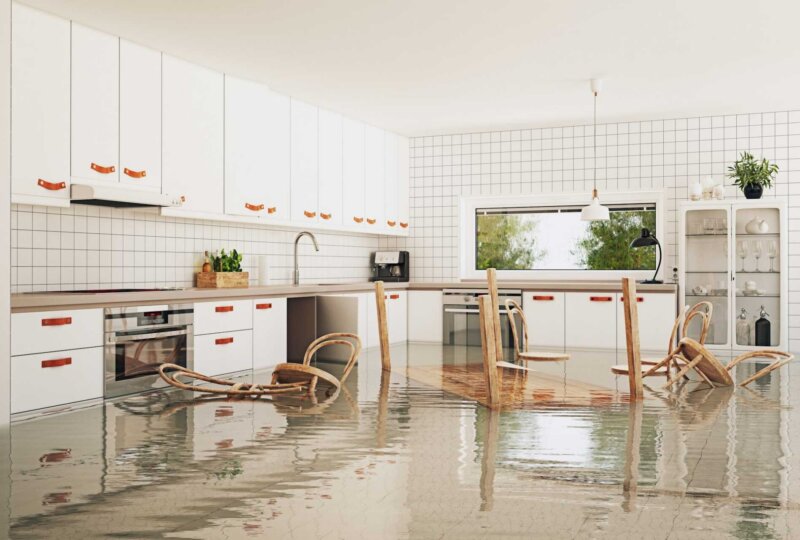
When you find your home victim to water damage, the clock starts ticking to mitigate further loss and start the drying process. At Guardian Angel Restoration, we understand how overwhelming this can be, and we’re here to reassure you that with the right steps, you can manage the situation effectively. Water damage can seep into the infrastructure of your home, potentially causing long-term issues if not addressed promptly. That’s why quick action is crucial.
The first and foremost step is assessing the damage to understand the extent and the specific techniques that will be most effective for your situation. It’s not just about removing standing water; it’s about understanding which areas are most vulnerable and what equipment will deliver the best results. We provide insight into how professional assessments work and why they are vital in ensuring a thorough drying process.
Knowing how to respond effectively can save significant time and money, and protect your home from further damage. We’ll guide you through the initial stages, focusing on practical, straightforward advice that you can follow in the wake of water exposure. Let’s get started on the path to recovery, ensuring your home returns to its pre-damage condition as swiftly as possible.
Assessing the Extent of Water Damage in Your Home
Determining the full extent of water damage in your home is crucial before any cleanup can begin. We start by inspecting the most obvious areas where water has made its presence known. This could include checking for pooling water on floors, damp walls, and moisture in carpets and furniture. Our team uses advanced moisture detection equipment to identify the less visible signs of water damage. This might involve detecting moisture behind walls and beneath flooring, which are areas that could contribute to structural issues if not addressed.
Understanding which materials in your home have absorbed water is also key to forming an effective drying strategy. Different materials like drywall, wood, and concrete respond differently to water exposure and require varying approaches for effective drying. We keep all these factors in mind as we map out the water impact, ensuring that we cover every aspect of your home’s structure and contents. This thorough assessment helps us prepare the right action plan, tailored specifically for your home’s needs.
Step-by-Step Guide to Removing Water Quickly
Once the extent of the damage has been assessed, the next step is to remove the water quickly to mitigate further damage. Our first action is often to use powerful, industrial-grade water extractors that efficiently remove standing water from floors, carpets, and other surfaces. We place these in the most critically affected areas to immediately reduce the amount of water and prevent it from spreading further.
Next, we focus on removing water from fabrics and upholstery, which can be done using specialized equipment designed for extracting moisture from soft materials. This step is critical as leaving moisture in these materials can lead to mold growth and unpleasant odors. After the bulk of the water is removed, we use submersible pumps for any remaining areas where water might be trapped, such as basements or crawl spaces. Our quick and efficient techniques ensure that your home is on the path to recovery as swiftly as possible, reducing the risk of lasting damage.
Effective Drying Techniques for Different Areas
Once water is removed, the next crucial step we take is drying out the different areas of your home. Each area requires a tailored approach depending on the extent of water exposure and the types of materials affected. For hard surfaces like floors and countertops, we use high-powered air movers and dehumidifiers to speed up the evaporation process. These tools are essential in drawing out moisture that has seeped into harder-to-reach areas.
For softer materials such as carpets and upholstery, we introduce specialized techniques that involve gentle yet effective heat and air circulation methods. This careful approach ensures that these items are not only dried but also preserved, maintaining their integrity and appearance. In areas like basements or attics where poor ventilation can hinder the drying process, we make use of additional equipment to facilitate airflow and remove lingering dampness, preventing any potential for mold buildup.
Preventing Mold and Further Issues After Drying
Our job isn’t finished with just the drying; ensuring that your home remains safe and healthy is our top priority. Mold prevention is a critical concern after any water damage incident. To combat this, we treat all affected surfaces with antimicrobial and antifungal treatments that inhibit mold growth. These safe and effective solutions provide a barrier and help maintain the cleanliness and safety of your home environment.
We also conduct thorough inspections to ensure that no residual moisture remains, as even small amounts of dampness can lead to mold and other issues over time. Our team works diligently to seal any vulnerabilities in your home’s structure that could allow future moisture penetration. This proactive approach not only addresses the immediate aftermath of water damage but also safeguards your home against potential future problems.
Conclusion
At Guardian Angel Restoration, we understand the distress that comes with water damage. Our comprehensive approach ensures that from immediate water extraction to final inspections, every step is handled with the utmost care and professionalism. We’re committed to restoring not just your property but also your peace of mind. If you’re facing water damage, don’t wait—contact us for water damage restoration in Indianapolis today. We’re ready to bring our expertise to your doorstep and help you reclaim your safe, dry, and comfortable home.