
Water damage can sneak into your home without you even noticing at first. Whether it’s a leaky pipe, heavy rain, or poor drainage, water can cause big problems if left untreated. The good news is that spotting water damage early can save you a lot of money and stress.
In this article, we’ll show you how to spot early signs of water damage in your home. We will explain what can cause water damage, what steps to take if you think you have it, and how to avoid it in the future. With this knowledge, you’ll be ready to protect your home and keep your repair costs down. Let’s dive in and learn how to keep your home safe from water damage.
Understanding the Signs of Water Damage
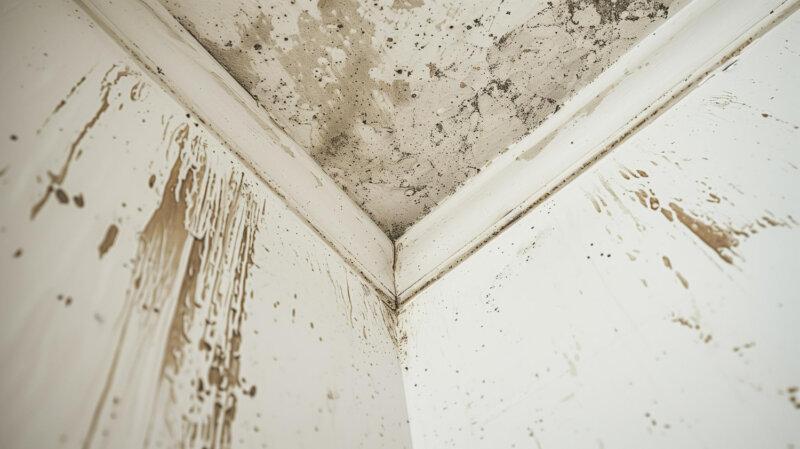
Spotting water damage early can save you a lot of headaches. There are a few signs that can help you figure out if there’s a problem. One big clue is water stains on the walls or ceiling. These can look like small dark spots or larger discolored patches. Even a tiny stain can point to a leaky pipe or roof problem.
Another sign is a musty or damp smell. If you walk into a room and it smells wet, like after it rains, you might have water damage. This smell usually comes from mold or mildew growing because of the water leak. You might also see or feel damp spots on your carpet or floors.
Keep an eye out for peeling paint or wallpaper. When water gets into walls, it can make the paint or wallpaper bubble and peel off. Also, check for warped or buckled floors. Water can make wood and other materials swell, leading to uneven surfaces. If any doors or windows are sticking, this could also be a sign of water damage, causing the wood to warp.
Common Causes of Water Damage in Homes
Water damage can happen for many reasons. Knowing the common causes can help you keep an eye out and prevent damage.
1. Leaky Pipes: Damaged or old pipes can leak and cause big problems. Check under sinks and around the toilet and water heater for drips or rust.
2. Roof Leaks: Heavy rain or snow can lead to roof damage. Missing or damaged shingles let water seep into your home. Regularly check your roof for any signs of damage.
3. Poor Drainage: If your yard doesn’t drain properly, water can pool near your house. This can lead to leaks in your basement or crawl space.
4. Clogged Gutters: When gutters are filled with leaves and debris, they can’t do their job. Water overflows and runs down the side of your house, leading to potential water damage.
5. Appliance Issues: Washing machines, dishwashers, and water heaters can all cause water damage if they break. Check hoses and connections for any leaks or wear and tear.
By staying aware of these common causes, you can take steps to prevent water damage before it starts. Regular maintenance and quick actions can save you a lot of trouble and money.
Steps to Take When You Suspect Water Damage
If you think you have water damage, there are a few steps you can take to address the problem. First, find the source of the water. Look around for leaks, drips, or standing water. Check common places like under sinks, near appliances, and in the basement. If you find the source, try to stop it. Turn off the water supply if it’s a pipe, or place a bucket under a drip to catch the water.
Next, document everything. Take photos and write down details about the damage. This can help when dealing with insurance or if you need to hire a professional. Make sure to move any furniture or items away from the wet area to prevent further damage.
Finally, dry out the area as soon as possible. Use fans, dehumidifiers, and open windows to help dry the space. Drying out the area quickly can prevent mold from growing. If the damage is severe, or if you aren’t able to handle it yourself, consider calling in experts. They can help fix the problem and ensure it doesn’t get worse.
Preventive Measures to Avoid Future Water Damage
Preventing water damage is easier than dealing with it after it happens. By taking some simple steps, you can keep your home safe and dry.
1. Regular Inspections: Check your home regularly for signs of leaks or damage. Look at pipes, appliances, and your roof to catch problems early.
2. Clean Gutters and Downspouts: Keep your gutters and downspouts clear of leaves and debris. This helps water flow away from your house properly.
3. Maintain Your Roof: Fix any damaged shingles or tiles on your roof. A well-maintained roof can prevent leaks and keep water out of your home.
4. Check Seals and Caulking: Look at the seals around windows and doors. Replace any old or cracked caulking to keep water from seeping in.
5. Install a Sump Pump: If you have a basement, consider putting in a sump pump. This can help remove water if your basement floods.
6. Know Where Your Water Shut-off Valve Is: In case of a big leak, you should know how to quickly turn off the water to your house. This can prevent a lot of damage.
By following these steps, you can greatly reduce the chances of water damage in your home. Regular maintenance and being aware are key to protecting your space.
Conclusion
Water damage can be a big headache, but spotting it early and taking the right steps can save you a lot of trouble. By knowing the signs, understanding common causes, and taking action quickly, you can protect your home. Preventive measures and regular checks are crucial to avoid future problems.
Don’t wait until it’s too late to address water issues. Whether it’s a small leak or a major flood, acting fast can save you time and money. Take the steps now to keep your home safe and dry.
If you need help or expert advice, Guardian Angel Restoration is here for you. Our team can handle any water damage problem, big or small. Reach out to us today to ensure your home stays protected.