

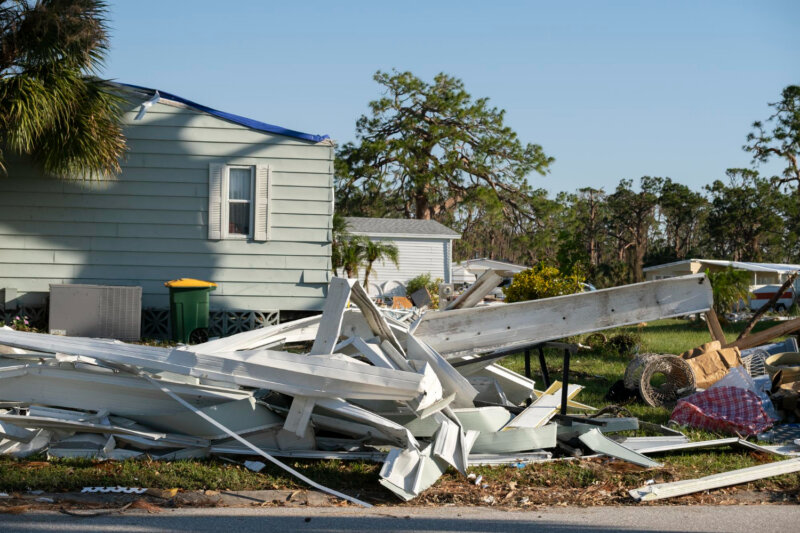
Storms can have a significant impact on our homes, causing damage that can be costly and disruptive. Taking proactive steps to protect your home from storm damage is essential for ensuring the safety and well-being of your family. This includes maintaining the integrity of your roof, securing doors and windows, preparing your yard, and having a solid disaster preparedness plan.
Understanding how to safeguard your home can help minimize the potential for damage during severe weather. Simple measures, such as regular inspections and maintenance, can make a big difference. Additionally, securing vulnerable entry points like doors and windows can prevent wind and water from causing further destruction. Being prepared and organized before a storm hits can save you time, money, and stress.
Let’s explore some effective and straightforward ways to protect your home from the harmful effects of storms. Taking these steps will give you peace of mind, knowing that your home is as secure as possible when bad weather strikes.
Inspect and Maintain Your Roof
Your roof is your first line of defense against storm damage. Regular inspections and maintenance can prevent minor issues from turning into major problems. Start by checking for missing or warped shingles. Loose or broken shingles can allow water to seep into your home, causing leaks and structural damage. You can inspect your roof from the ground with binoculars or hire a professional for a thorough assessment.
Clean your gutters and downspouts to ensure proper drainage. Clogged gutters can cause water to back up and damage your roof and walls. Remove leaves, twigs, and other debris that might obstruct water flow. Also, check for signs of wear and tear around the flashing and seals. Any gaps or cracks in these areas can be pathways for water to enter. Keeping your roof in good condition is essential for protecting your home from the damaging effects of storms.
Secure Doors and Windows
Doors and windows are vulnerable points in any home during a storm. Securing them properly can prevent wind and water from getting inside. Start by inspecting the seals around your doors and windows. Replace any worn or damaged weather stripping to ensure a tight, water-resistant seal. Strong winds can easily penetrate through gaps, causing damage and increasing the risk of water infiltration.
Consider installing storm shutters or impact-resistant windows if you live in an area prone to severe weather. These can provide an extra layer of protection against flying debris and strong winds. For garage doors, using a reinforcement kit can help keep them secure during high winds. Ensure all doors are fitted with sturdy deadbolts, and use longer screws in the hinges to reinforce their strength. Taking these steps will help safeguard your home and minimize storm damage through these vulnerable entry points.
Prepare Your Yard for Storms
Your yard can be a significant source of damage during a storm if not properly maintained. Begin by trimming trees and shrubs. Overhanging branches can break off during high winds and cause damage to your roof, windows, or other parts of your home. Regularly prune any tree limbs that are close to your house to minimize this risk.
Secure any outdoor furniture, grills, or other loose items that could become projectiles. Store them in a garage, shed, or bring them inside when a storm is forecasted. Make sure that you also check for any items like potted plants, garden tools, or toys that can easily be picked up by the wind. Additionally, inspect your fence and ensure it is sturdy and well-maintained. Reinforcing weak sections can prevent it from collapsing and causing damage to your property.
Creating a drainage plan for your yard is also essential. Ensure that water flows away from your home’s foundation. Installing gutter extensions or French drains can help manage excess water during heavy rains, reducing the risk of flooding. Preparing your yard helps protect your home from storm damage by minimizing potential hazards.
Create a Disaster Preparedness Plan
Having a disaster preparedness plan is crucial for ensuring your family knows what to do when a storm hits. Start by developing an emergency kit that includes essential items such as water, non-perishable food, flashlights, batteries, medications, and important documents. Make sure everyone in the family knows where the kit is stored and how to use its contents.
Establish a communication plan. Designate a meeting place in case your family gets separated, and ensure everyone has a list of emergency contacts. Discuss and practice the plan with all household members so everyone feels confident about what to do during a storm. Include instructions on how to turn off utilities like gas, electricity, and water if necessary.
Stay informed by monitoring weather reports and having a battery-powered radio available. Knowing what to expect and having a clear plan can help reduce stress and ensure your family’s safety. Having a disaster preparedness plan in place means you can act quickly and efficiently when a storm threatens your home.
Conclusion
Storms are unpredictable and can cause significant damage to your home. By taking proactive measures like inspecting and maintaining your roof, securing doors and windows, preparing your yard, and creating a disaster preparedness plan, you can better protect your home and family from the harmful effects of severe weather. These simple steps can make a big difference in how well your home withstands a storm.
When it comes to safeguarding your home, we’re here to help. For trusted advice and professional services in the greater Indianapolis area, contact Guardian Angel Restoration. Let us be your partner in keeping your home safe and sound. And if you are in need of storm damage restoration services, do reach out!