

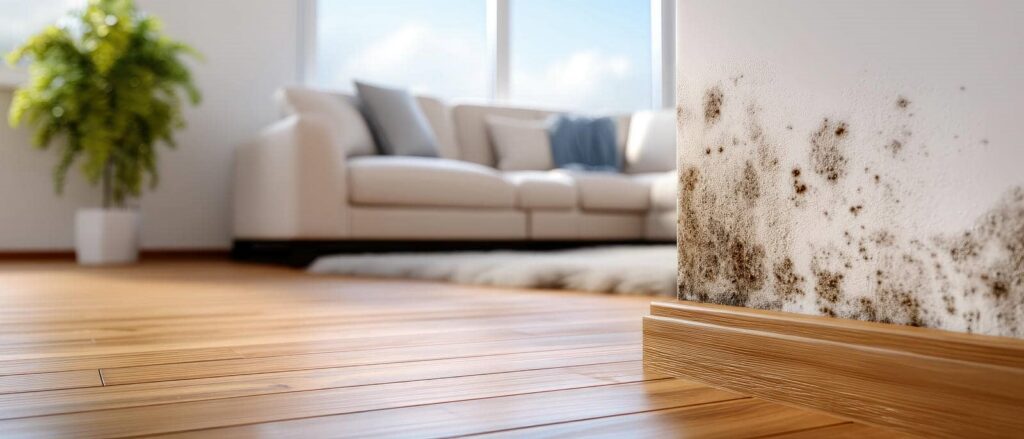
You notice a faint brown stain spreading near a baseboard after a rainstorm, and you might shrug it off at first. But discoloration, bubbling paint, soft drywall, musty odors, peeling wallpaper, and warped trim often point to hidden water inside the wall. If the same stain keeps coming back after cleaning, moisture is still there—and what happens next can be far more serious.
Key Takeaways
- Discolored patches, bubbling paint, and peeling wallpaper often signal hidden moisture inside walls.
- Musty odors usually mean trapped water or mold growth behind drywall.
- Soft drywall, warped trim, and blistering paint suggest the wall structure is absorbing moisture.
- Reappearing or enlarging stains after cleaning indicate an ongoing leak, not a one-time spill.
- Water damage often starts near windows, roofs, plumbing, or foundation cracks and should be checked quickly.
Signs of Water Damage in Walls
Even if a wall looks intact, hidden water damage often leaves clear warning signs. You can spot the signs of hidden water damage in walls by checking for discoloration, bubbling paint, soft drywall, or a musty odor.
You might also notice peeling wallpaper, warped trim, or fine cracks that keep widening. Touch the surface lightly; damp areas often feel cooler or less firm than surrounding sections.
Watch for stains that reappear after cleaning, since moisture can travel behind the finish and return. If you see these changes, document them and monitor the area closely.
Acting early helps you protect your home and stay with neighbors who value safe, healthy spaces. When damage keeps spreading, call a professional restoration team for a thorough inspection.
Where Wall Leaks Usually Start
Wall leaks usually start at weak points where water can enter and stay trapped. You should check around windows, doors, rooflines, plumbing penetrations, and places where siding or flashing has separated.
In bathrooms, kitchens, and laundry areas, inspect supply lines, drains, and shutoff valves. Outside, look at foundation cracks, hose bibs, and spots where irrigation hits the wall.
If your home has an attic or crawlspace, review vents, chimneys, and pipe boots, too. These areas often let moisture slip behind drywall before you notice anything obvious.
When you know the common entry points, you can focus your inspection and protect your space with confidence. Staying alert helps you catch small leaks early and keep your walls solid, dry, and safe for everyone.
Why Wall Damage Shows Up Early
You’ll often notice wall damage early because moisture moves fast through drywall, insulation, and framing.
You may see the first signs in paint as bubbling, staining, or peeling before the wall surface feels wet.
Weak spots, like seams, corners, and softened areas, usually show the problem first because they absorb water faster than surrounding material.
Moisture Travels Fast
When moisture enters a wall cavity, it doesn’t stay put; it spreads quickly through drywall, insulation, framing, and paint, often showing visible damage before the source seems severe.
You may notice a soft spot, a slight bulge, or a musty odor because wet materials absorb and move water by capillary action. Once that happens, the moisture can reach wider areas than the leak itself suggests.
In homes with shared walls or tightly sealed rooms, you’re more likely to see signs sooner because trapped humidity has fewer escape paths. That’s why quick checks matter.
If you belong to a household that values comfort and safety, inspect suspect areas promptly and document what you find. Early action limits structural damage, cleanup costs, and stress for everyone living there.
Early Paint Changes
Paint often shows water damage before the wall structure does because it’s the outermost finish layer and reacts quickly to trapped moisture. You may first notice dull patches, slight discoloration, or a soft sheen that wasn’t there before.
These changes happen as moisture shifts through paint layers and disrupts adhesion. If you keep an eye on a room, you’ll spot edges that look uneven, streaks that appear after humidity rises, or areas that seem to lose their original finish.
Don’t dismiss these early clues as normal wear. They often mean water has reached the wall cavity and is influencing the surface from behind.
When you and your household catch these changes early, you can act faster and protect your space, your comfort, and the home you share.
Weak Spots Reveal First
Weak spots in a wall usually reveal hidden water damage first because moisture exploits the most vulnerable materials and connections. You’ll often notice swelling around seams, nail pops, or soft drywall near windows, pipes, and baseboards. These areas absorb water faster, so damage appears before the rest of the wall changes.
Check for:
- Cracked tape at joints
- Bubbling paint over patched spots
- Loose trim near damp areas
When you spot these signs, act quickly. Water weakens the wall structure and can spread behind intact surfaces.
You’re not alone in this; many homeowners miss the early clues because the damage starts small. A careful inspection now helps you protect your space and know when restoration help is needed before the problem grows worse.
How to Check for Hidden Water Damage
Start with a careful visual wall inspection for staining, bubbling paint, warped trim, or discoloration around outlets and baseboards.
Next, check for musty or damp odors, since hidden moisture often leaves a clear smell even when the wall looks normal.
Then press gently on suspect areas to find soft spots, which can indicate water has weakened the drywall or backing.
Visual Wall Inspection
A careful visual inspection can reveal several early signs of hidden water damage in walls, even before the problem becomes obvious.
Stand back and compare each wall surface for changes that don’t match the rest of the room. You’re looking for subtle clues that often show up first near windows, baseboards, ceilings, and plumbing fixtures.
Check for discoloration, staining, or yellow-brown patches.
Look for bubbling paint, peeling wallpaper, or soft drywall.
Notice cracks, warping, or areas that feel uneven under light pressure.
Move methodically from one section to the next so you don’t miss small changes.
If you spot more than one warning sign, you’re right to treat it seriously and bring in your trusted restoration team for a closer assessment.
Detect Moisture Odors
Musty, damp, or earthy odors often give you one of the earliest clues that water is trapped behind a wall, even when the surface still looks normal.
You should move room to room and notice where the smell strengthens, especially near bathrooms, kitchens, basements, and exterior walls. Close windows and turn off fans first, so outside air doesn’t mask the scent.
If the odor returns after cleaning or airing out the space, treat it as a warning sign. You can also compare adjacent rooms to pinpoint the source.
Pay attention to smells that worsen after rain or during humid weather, since they often signal hidden moisture.
When you can’t identify the cause, call a restoration professional quickly. Acting early helps protect your home and gives you confidence that you’re not facing the problem alone.
Probe for Soft Spots
Because hidden water can weaken drywall long before you see staining, you should gently press suspected areas with your hand to check for soft spots.
If the surface feels spongy, cool, or gives under light pressure, note the location and compare it with nearby areas. You can also use a flashlight to inspect texture changes and bulging.
If you’re part of a shared home-check routine, ask others to feel the same spot so you can confirm the difference.
- Press along baseboards and window edges.
- Test patched seams and areas near plumbing.
- Mark any sagging, cracking, or crumbly spots.
Soft drywall often means the material has absorbed moisture and lost strength.
If several spots feel weak, call a restoration professional quickly to protect your home and everyone in it.
When Water Damage Becomes a Bigger Problem
When water damage goes unnoticed inside a wall, it can quickly spread beyond a small stain or soft spot and lead to structural weakening, mold growth, and damage to insulation, drywall, and framing.
You may notice peeling paint, warped trim, or a musty odor, but the real issue often sits deeper. Moisture can travel along studs, corners, and seams, enlarging the affected area faster than you expect.
If you wait, repairs usually become more involved, more disruptive, and more costly. You’re not overreacting by checking early; you’re protecting your home and the people in it.
A prompt inspection helps you confirm the source, limit spread, and choose the right restoration steps before the damage turns into a larger problem.
How Mold and Rot Develop in Walls
Once moisture stays trapped inside a wall, mold can begin growing within 24 to 48 hours, especially in dark, poorly ventilated spaces where materials remain damp.
You may notice a musty odor, discoloration, or soft drywall as spores spread and feed on paper, dust, and wood fibers. Rot follows when moisture keeps soaking framing members, weakening them from the inside.
To understand the progression, watch for:
- Damp patches that reappear after drying
- Bubbling paint or peeling wallpaper
- Crumbling, warped, or spongy wall material
You can’t always see the damage right away, but it keeps advancing quietly. Acting early helps you stay ahead of bigger repairs and keeps your home feeling safe, stable, and familiar.
When to Call a Restoration Pro
If the damage keeps coming back after you dry the wall, spreads beyond a small area, or comes with a persistent musty smell, it’s time to call a restoration pro.
You should also reach out when paint blisters, drywall softens, baseboards warp, or stains keep enlarging after a leak stops.
A pro can use moisture meters, thermal imaging, and controlled drying to find water you can’t see. That matters because hidden moisture can weaken framing and invite mold fast.
Calling early helps you protect your home, your health, and your peace of mind.
You don’t have to handle this alone; experienced crews work with you, explain each step, and help your home feel safe again.
Wrap-Up
If you spot discoloration, bubbling paint, soft drywall, musty odors, peeling wallpaper, or warped trim, don’t shrug it off. You’re likely seeing water damage that’s already working behind the wall. Check the source quickly, because reappearing stains mean the problem isn’t gone. Catching these signs early keeps mold and rot from taking root. When the evidence adds up, call a restoration pro before a small leak turns into a full-blown headache.