
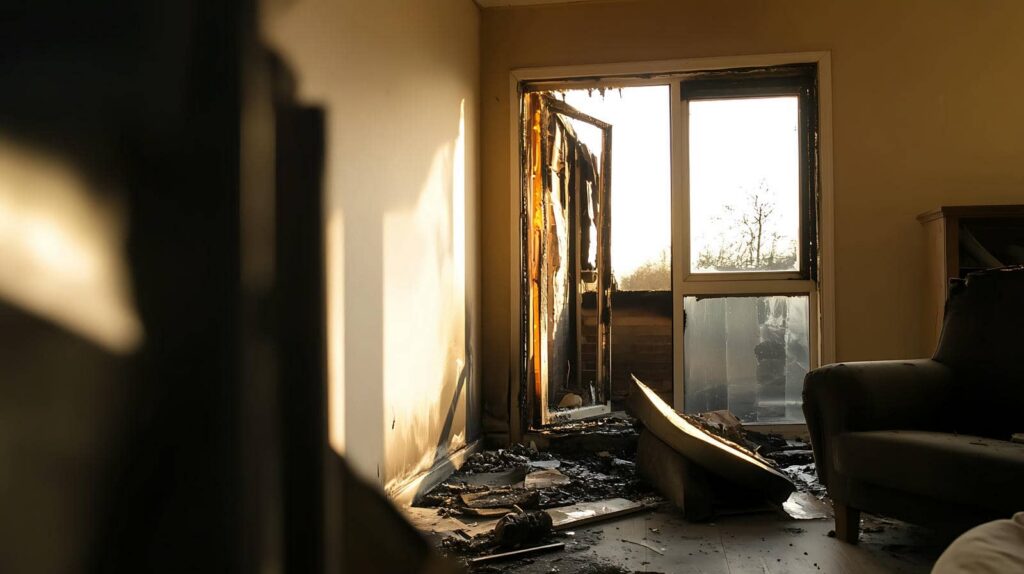
Smoke Damage Cleanup requires a thorough, step-by-step process to remove soot, eliminate odors, and restore your property after a fire. Begin with a detailed inspection to identify visible residue, odor sources, and the full extent of the damage before isolating the affected areas to prevent contamination from spreading. Clean walls, ceilings, contents, and other surfaces using the appropriate restoration methods, then address HVAC systems, improve indoor air quality, and remove lingering smoke odors with professional deodorization techniques. Completing the cleanup with any necessary repairs and sealing treatments helps restore your property and prevent smoke odors or residue from returning.
Key Takeaways
- Professionals first inspect smoke-damaged rooms, identify soot, odor, and hidden contamination, and map the affected areas.
- Crews isolate the site and control airflow to prevent soot from spreading during cleanup.
- They remove soot from surfaces using HEPA vacuuming, dry sponges, and appropriate cleaning agents for residue type.
- HVAC systems are shut down, cleaned, and fitted with new filters to stop recirculation of smoke particles.
- Odor-blocking primers, repairs, and final inspections help seal remaining smells and restore indoor air quality.
How Smoke Damage Cleanup Works
Smoke damage cleanup works by removing soot, neutralizing smoke residues, and restoring indoor air quality through a step-by-step process.
You’ll see trained crews isolate affected areas, use proper containment, and select cleaning methods based on surface type.
In the professional smoke damage cleanup process, technicians vacuum dry particles with HEPA equipment, wipe residues with approved solutions, and treat porous materials that hold contamination.
You’ll benefit from controlled airflow, which helps limit spread during work.
Next, teams deodorize structural materials and verify that cleaned spaces meet safety standards.
This method keeps your home organized, reduces secondary damage, and helps you feel confident that each task follows a clear plan.
When the process is done right, you can return to a safer, fresher indoor environment.
Assess Smoke Damage and Odor
Before cleanup begins, you need a careful assessment of both visible smoke damage and lingering odor so the restoration plan matches the extent of contamination.
You inspect affected rooms systematically, noting discoloration on walls, ceilings, trim, fabrics, and HVAC registers. You identify where smoke traveled, how far it spread, and which materials absorbed odor the most.
You also check for secondary impact, such as residue patterns around vents, door frames, and hidden cavities, because these clues show where contamination is concentrated.
To measure odor, you rely on close-range evaluation and compare conditions in different spaces. This step helps you and your restoration team agree on priorities, estimate scope, and choose the right methods.
A precise assessment keeps everyone aligned and gives your property a clear path toward recovery.
Remove Soot From Surfaces and Contents
Next, you remove soot from every affected surface and item using methods that match the material and the type of residue. You work from top to bottom, capturing loose particles before they spread, and you keep each item separate so you don’t cross-contaminate clean areas.
Dry soot lifts with vacuuming and soot sponges; oily residue needs targeted cleaning agents and careful wiping. You test delicate finishes first, then proceed with steady, controlled passes.
Walls, trim, and ceilings
Furniture, décor, and textiles
Hard surfaces, fixtures, and contents
You inspect as you go, repeating passes where staining remains and replacing cloths before they redeposit residue. This method helps you restore order, protect materials, and feel confident the space is moving back to normal.
Clean the HVAC System and Improve Air Quality
Once the visible soot is removed, you turn to the HVAC system so it doesn’t keep recirculating smoke particles and odors through the building. You shut down the system, replace contaminated filters, and inspect return vents, supply registers, coils, and the blower compartment for residue.
Then you use HEPA vacuuming and approved cleaning agents to remove fine particles from accessible duct surfaces and components. You also clean drain pans and check that airflow stays balanced after service.
If you’re restoring a shared space, you coordinate with occupants so everyone can return to cleaner air with confidence. Finally, you run the system while monitoring for lingering odor and particle carryover, confirming that circulation is supporting recovery instead of spreading contamination.
Seal Odors and Complete Repairs
With the HVAC system cleaned, you seal lingering odors and complete the final repairs so smoke doesn’t keep affecting the space. You apply odor-blocking primers to porous surfaces, then caulk gaps, replace damaged trim, and reset affected fixtures. This step locks in the cleanup work and helps your home feel whole again.
You also inspect for hidden soot in wall cavities, under flooring, and inside cabinets, because missed residues can reintroduce odor.
Paint sealed walls and ceilings
Reinstall clean hardware and fittings
Test rooms for remaining odor sources
Next, you verify ventilation, monitor humidity, and confirm finishes cure properly. When you finish these repairs methodically, you protect air quality and restore a space your household can comfortably share again.
Frequently Asked Questions
How Soon Should Smoke Damage Cleanup Begin After a Fire?
You should begin smoke damage cleanup within 24 to 48 hours after a fire. You’ll limit staining, corrosion, and odor if you act fast, ventilate safely, and document damage before professionals start restoration.
Can Smoke Damage Affect Electronics and Appliances Permanently?
Yes, smoke damage can permanently harm your electronics and appliances if you don’t clean them quickly. You’ll need power off, inspect corrosion, remove residue, and test components, because soot and moisture can short circuits and insulation failures.
Is Professional Smoke Cleanup Safe for Children and Pets?
Yes, you can make professional smoke cleanup safe for children and pets when you vacate during work, use certified cleaners, ventilate thoroughly, and verify air quality before reentry; you’ll protect your household and restore comfort.
What Insurance Documents Are Needed for Smoke Damage Claims?
You’ll need your policy, claim number, photos, receipts, repair estimates, inventory of damaged items, proof of ownership, and any fire department report. Keep everything organized; it helps you stay in the loop and speeds approval.
How Long Does Smoke Odor Usually Linger Without Treatment?
Without treatment, you’ll usually smell smoke for weeks to months, sometimes longer if soot soaked porous materials. You can reduce it sooner with ventilation, HEPA filtration, cleaning, and sealing affected surfaces.
Recap
So, after smoke has redecorated your home with soot and stubborn odors, you don’t just open a window and pretend it’s fine. You assess the damage, remove residue from surfaces, clean the HVAC system, and seal lingering smells with purpose-built primers. Then you finish the repairs and restore the space properly. It’s methodical, not magical—and your indoor air quality will thank you for choosing science over wishful thinking.