
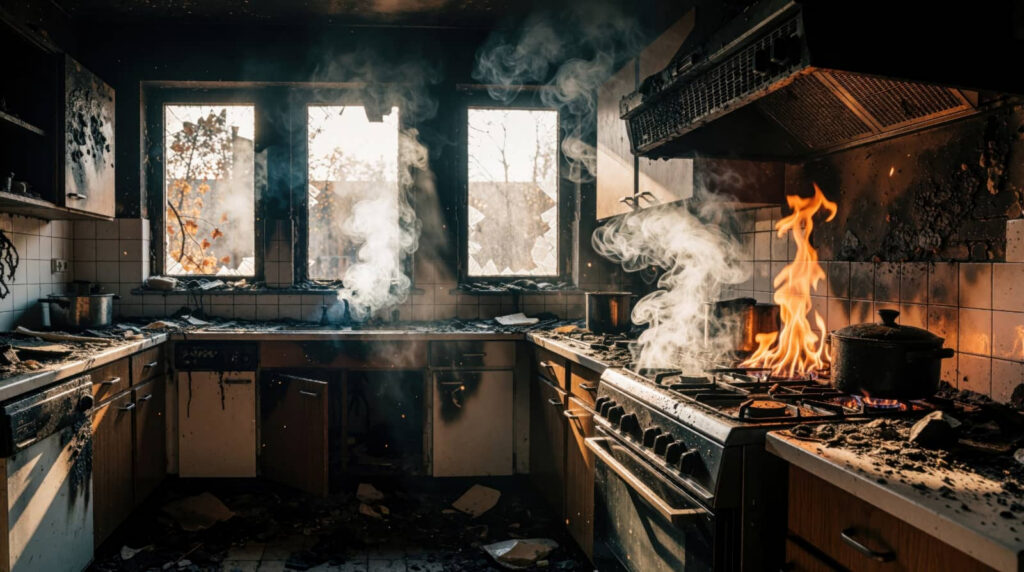
When you face fire damage, the cleanup process starts with a close inspection of the structure, smoke paths, and water impact, so you know what’s salvageable and what isn’t. Then crews target soot, residue, and odor with specialized equipment, while structural repairs bring the property back to code. The final rebuild often depends on details most owners don’t expect, and that’s where the real work begins.
Key Takeaways
- Professionals inspect fire, smoke, soot, and water damage, then map affected areas and identify safety hazards and salvageable items.
- They remove soot and smoke residue using HEPA vacuums, dry sponges, and material-specific cleaners to prevent recontamination.
- Crews repair structural damage by replacing charred framing, compromised drywall, and weakened insulation to meet code requirements.
- Odor control relies on air scrubbers, ventilation, and treatments like hydroxyl or ozone in sealed areas to restore air quality.
- Final restoration includes rebuilding drywall, flooring, and systems, plus confirming dryness, safety, and code compliance.
How Fire Damage Inspection Starts Restoration
A thorough fire damage inspection starts the restoration process by identifying the full scope of structural, smoke, soot, and water damage before any cleanup begins.
You’ll see trained technicians document weakened framing, compromised drywall, electrical hazards, and hidden moisture so your professional fire cleanup and restoration plan matches the real conditions on site.
They’ll map affected rooms, test materials, and note salvageable items, giving you a clear path forward.
This step also helps your team prioritize safety, prevent secondary damage, and coordinate the right equipment and labor.
When you understand the inspection findings, you can work confidently with a crew that treats your property like part of the community and restores it with precision, care, and accountability.
How Cleanup Teams Remove Soot and Smoke
Cleanup technicians start by removing loose soot with specialized vacuums fitted with HEPA filtration, which helps capture fine particles before they can spread to unaffected areas.
Next, they dry-sponge walls, ceilings, and trim to lift oily residue without pushing it deeper into surfaces. You’ll often see them apply targeted cleaners matched to the material, because porous drywall, metal, and glass each trap smoke differently.
They also use controlled wiping patterns and clean cloth changes to avoid recontamination. For lingering odor, crews deploy deodorization methods such as thermal fogging or hydroxyl treatment, which neutralize smoke molecules in the air and on surfaces.
Throughout the process, you stay informed, and your property gets a methodical, team-based reset that prepares every room for the next restoration step.
How Restoration Teams Repair Structural Damage
Once the soot and moisture are under control, restoration crews assess the structure for heat damage, charred framing, weakened drywall, and compromised insulation.
You’ll see them probe studs, joists, and subflooring for loss of strength, then mark sections that need removal or sistering. They cut back damaged materials to sound edges, replace burned framing members, and reattach load-bearing elements with approved fasteners.
If drywall, sheathing, or trim can’t meet code, they install new panels and align them to existing surfaces. You’re kept in the loop so you know which repairs are temporary and which are permanent.
Crews also verify that openings, supports, and finishes meet local requirements, giving your property a stable, safe path back to normal.
How Odor Removal and Air Cleaning Work
With the structure stabilized, crews turn to the air itself, since smoke odors and fine particles can linger long after visible damage is gone.
You’ll usually see high-volume air scrubbers with HEPA filters running continuously to capture soot, ash, and airborne residue. Technicians may also place hydroxyl or ozone equipment in sealed areas to break down odor molecules embedded in porous materials.
They’ll ventilate the space, isolate affected rooms, and monitor humidity so particles don’t settle again. If needed, they’ll clean ductwork, wipe hard surfaces, and treat fabrics with targeted deodorizing agents.
You stay informed throughout, because the goal isn’t just to mask smell—it’s to restore clean, breathable air that helps your property feel safe and truly yours again.
Final Repairs and Property Rebuild
After the air is clear and surfaces are sanitized, crews move into the final repair phase to rebuild the property to its pre-fire condition.
You’ll see technicians replace drywall, insulation, flooring, trim, cabinets, and damaged framing with materials that match existing specs. They also repair electrical, plumbing, HVAC, and roofing systems, verifying code compliance and safe operation.
Before closing walls, they confirm hidden moisture, soot, and structural weaknesses are gone. Then they prime, paint, and finish surfaces so the space looks consistent and feels like home again.
Throughout this stage, your restoration team coordinates permits, inspections, and material sourcing to keep work moving. You’re kept informed at every step, so you know what’s being restored, what’s next, and when you can safely return.
Frequently Asked Questions
How Soon Should I Call a Fire Restoration Company After a Fire?
You should call a fire restoration company immediately after the fire is out and the scene is safe. They’ll assess damage, prevent further loss, and start cleanup fast, helping you protect your home and belongings.
Does Insurance Usually Cover Professional Fire Cleanup Services?
Usually, yes—if your policy covers fire damage, you’ll often get professional cleanup reimbursed. You should review your deductible, exclusions, and documentation requirements, then file promptly so you can maximize eligible restoration benefits.
Can Fire-Damaged Belongings Be Salvaged During Restoration?
Yes, you can often salvage them, but only after careful inspection. You’ll see soot, heat, and moisture assessed, then cleaned, deodorized, and stabilized. Some items recover; others won’t, and you’ll know quickly.
How Long Does Fire Damage Restoration Typically Take?
Typically, you’ll see fire damage restoration take days to months, depending on damage severity, soot, water intrusion, and structural repairs. You’ll get faster results when you document losses, approve work quickly, and stay coordinated.
What Should I Do Before the Cleanup Team Arrives?
Secure everyone, shut off utilities if it’s safe, and avoid touching soot or wet debris. Document damage with photos, then gather essentials and pets. You’ll help the team work faster and safer.
Final Thoughts
When you start fire cleanup and restoration, a fast inspection matters because every hour increases smoke corrosion and water damage. You should know that many fire losses are worsened by secondary damage from soot, moisture, and delayed drying. That’s why you need a team that can remove contamination, stabilize structure, clean air, and finish rebuilds in sequence. When each step is handled correctly, you’ll restore safety, function, and compliance with far less risk.