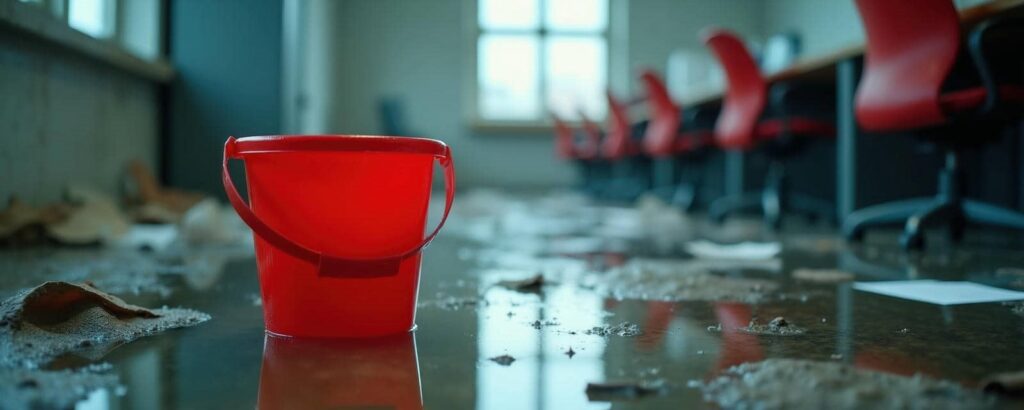
When water invades your facility, you’re suddenly in a race against time. You need to assess the source, isolate affected zones, and start extraction fast before moisture spreads into inventory, equipment, and records. Then you must dry, sanitize, and verify structural integrity while documenting every step for insurance. The process isn’t just cleanup; it’s the framework that determines how quickly you can reopen—and what hidden damage may still be waiting.
Key Takeaways
- Respond within 24 hours with assessment, water extraction, and targeted drying to limit damage and downtime.
- Protect inventory, equipment, and records by triaging critical items and controlling moisture exposure.
- Sanitize affected areas and discard unsalvageable materials to reduce contamination and microbial growth.
- Inspect structural integrity and document all damage before authorizing repairs or disposal.
- Notify the insurer, track mitigation records, and verify all systems are clear before reopening in phases.
What Is Commercial Water Mitigation?
Commercial water mitigation is the immediate, structured response used to limit water damage in a business property and stabilize the building after a leak, flood, or plumbing failure.
You use the commercial water mitigation process to reduce moisture intrusion, protect structural materials, and preserve assets before damage spreads. This process includes assessment, water extraction, drying, dehumidification, and contamination control, all coordinated to restore safe operating conditions.
When you act quickly, you reduce downtime and protect your team, equipment, and inventory. You’re not just repairing a building; you’re safeguarding your business community and keeping operations aligned.
A precise mitigation plan helps you meet insurance requirements, document losses, and support a smoother recovery path.
What Happens in the First 24 Hours?
During the first 24 hours, you’ll get an emergency assessment to identify the source, extent, and category of water intrusion.
Next, technicians extract standing water with specialized equipment to limit further saturation and material loss.
They then set up targeted drying systems to control moisture levels and stabilize the affected structure.
Emergency Assessment
When water damage hits your facility, the first 24 hours focus on rapid assessment and stabilization. You’ll get a site walk-through to identify affected zones, source type, and safety hazards.
Your mitigation team documents visible damage, checks electrical risks, and verifies structural integrity before anyone proceeds. They map moisture migration with meters and thermal tools, then classify materials by exposure and porosity.
You’ll receive clear priorities so your team knows what’s salvageable, what’s at risk, and what needs immediate protection. This assessment also establishes the scope for insurance reporting and recovery planning.
Water Extraction
Water extraction begins immediately after assessment to remove standing water and stop further migration into floors, walls, and equipment. You’ll see technicians map affected zones, isolate energized areas, and deploy high-capacity extraction units to pull water from carpet, slab, and hard surfaces.
This first 24-hour window matters because every minute increases absorption, corrosion, and microbial risk.
Verify source control and safety conditions.
Remove visible and trapped water from accessible materials.
Document moisture readings and affected contents for continuity.
You stay informed through clear updates, so your team can act with confidence and keep operations aligned.
Effective extraction doesn’t just reduce damage; it protects your facility’s recovery path and helps your business rejoin normal service faster.
Drying Setup
Once standing water is removed, technicians move straight into drying setup to stop hidden moisture from spreading through assemblies, insulation, and structural cavities.
You’ll see them map affected zones, lift wet materials, and position air movers to create directed airflow across surfaces.
Dehumidifiers then pull vapor from the air, keeping relative humidity low enough for evaporation to accelerate. They also open wall bases, inspect insulation, and isolate unaffected areas so your business can recover without cross-contamination.
In the first 24 hours, they monitor temperature, moisture content, and psychrometric conditions, adjusting equipment as readings change.
That disciplined start matters because it gives your team a clear path back to normal operations. You’re not just drying a building; you’re protecting continuity, compliance, and your place in the market.
Protecting Inventory, Equipment, and Records
You should triage inventory by moisture sensitivity and business criticality, then remove, isolate, and dry high-value items first.
You should protect equipment and records by powering down affected systems, elevating assets, and packaging paper files or media in controlled drying conditions.
You’ll reduce secondary loss when you document each item, track exposure time, and coordinate treatment with the mitigation plan.
Inventory Drying Priorities
Protecting inventory, equipment, and records takes priority because moisture can quickly spread damage through a commercial facility and disrupt operations. You should triage every affected item by sensitivity, value, and contamination level, then move the most vulnerable stock to a controlled drying area.
Work fast, but don’t overload drying space; airflow must reach each surface.
Separate wet, damp, and dry inventory.
Remove packaging that traps moisture.
Rotate items to expose hidden surfaces.
You’ll reduce losses when you document conditions, label batches, and track drying progress.
Keep pathways clear, maintain stable temperature, and monitor humidity until materials reach safe levels. When your team acts in sync, you protect continuity and preserve the inventory your business depends on.
Equipment And Records Protection
Sensitive equipment and business records need immediate stabilization because water, humidity, and contamination can disable systems and destroy critical documentation fast.
You should isolate powered devices, shut off circuits, and document each asset before moving it. Use gloves, sealed carts, and clean staging areas to protect inventory from cross-contamination.
You’ll dry electronics with controlled airflow, desiccants, and manufacturer-approved procedures, not heat that warps components.
For paper records, you should prioritize contracts, payroll, and compliance files, then freeze or vacuum-dry them as needed.
Maintain chain-of-custody logs, photo evidence, and inventory tracking so your team stays aligned and accountable.
How to Remove Water and Dry the Site
Once the area is safe to access, technicians extract standing water with truck-mounted vacuums, portable pumps, and weighted extractors to remove bulk moisture as quickly as possible.
You’ll see crews target carpets, hard floors, and wall bases so water doesn’t linger in hidden cavities.
Next, they position air movers to create directional airflow and set dehumidifiers to pull vapor from the space.
They monitor humidity, temperature, and moisture content to confirm the site is drying at the right pace.
Extract free water.
Accelerate evaporation with airflow.
Verify dry-down with meters.
You’re part of a disciplined recovery team when each step is documented, measured, and adjusted.
That precision helps your business regain control fast, with less disruption and clearer next steps.
How to Sanitize Damaged Areas and Prevent Mold
After the site is dry enough for interior work, technicians clean and disinfect affected surfaces to reduce microbial growth and remove contaminants left behind by the loss.
You should treat every wet building material, fixture, and tool that touched contaminated water as a potential source of mold. Use approved antimicrobial agents at the required dwell time, and scrub porous residues from nonporous surfaces before rinsing and drying them again.
Treat every wet material as a potential mold source; disinfect, scrub residue, and dry surfaces thoroughly.
You’ll also need to discard items that can’t be reliably sanitized, including saturated insulation, ceiling tiles, and badly affected furnishings.
Maintain low humidity, move air with dehumidifiers and fans, and keep materials separated so moisture doesn’t linger.
Checking for Structural Damage
Structural integrity comes next, because hidden damage can make a commercial space unsafe even after the visible water is gone. You should inspect load-bearing walls, floors, ceilings, and framing for sagging, cracking, or shifting.
Use moisture meters and visual checks to identify weakened materials before you reopen the area. Trust the process and move step by step:
Examine structural supports for deformation.
Test subfloors and wall bases for soft spots.
Document any damage with clear notes and photos.
If you find compromised components, keep staff out of the affected zone and arrange professional assessment.
Fast, precise checking helps you protect your team, maintain confidence, and restore your business with fewer surprises.
How to Work With Insurance After Water Damage
When water damage affects a commercial property, you need to notify your insurer promptly and document the loss in detail.
Call your agent, open the claim, and request a claim number. Then provide dated photos, video, moisture readings, inventory lists, and emergency mitigation invoices.
Keep copies of all correspondence, and log every conversation with names, times, and outcomes.
If an adjuster visits, escort them through the affected areas and explain the impact on operations, equipment, and materials.
Don’t approve repairs or discard damaged items until the insurer authorizes next steps, unless safety requires removal.
Work closely with your restoration vendor so estimates match the scope.
You’re part of a business community that relies on clear records, disciplined communication, and timely follow-through to protect coverage and speed recovery.
Reopening After Commercial Water Damage
Before you reopen, verify that the building is dry, sanitized, and stable, and confirm that all critical systems—electrical, HVAC, plumbing, fire protection, and IT—have been inspected and cleared for service.
You’ll protect your team, customers, and operations by documenting each clearance before occupancy. Reopen in phases so you can monitor humidity, odors, alarms, and equipment performance.
Inspect finishes, ceilings, and flooring for hidden moisture.
Test backup power, access control, and network functionality.
Brief staff on safety routes, reporting, and cleanup controls.
You belong back in business when conditions stay normal under load and no contamination remains.
Keep post-reopen checks scheduled for the first 72 hours, because residual failures often surface then. If anything shifts, pause operations and correct it immediately.
Frequently Asked Questions
What Certifications Should a Water Mitigation Company Have?
You should look for IICRC certification, especially WRT and ASD, plus OSHA safety training, mold remediation credentials, and state contractor licensing. These prove your team’s expertise, protect your property, and build trust with you.
How Are Contaminated Floodwaters Classified and Handled?
You classify contaminated floodwaters as Category 3 black water, because they contain sewage, chemicals, and pathogens. You isolate the area, wear PPE, remove porous materials, disinfect hard surfaces, and document every step for compliance and safety.
Can Tenants Stay Open During Partial Water Mitigation?
Yes, you can sometimes stay open during partial water mitigation, if affected zones stay isolated, dry, and safe. You’ll need barriers, ventilation, and monitoring, so your team and customers can keep moving through clear, controlled spaces.
What Emergency Supplies Should Businesses Keep On-Site?
You should keep flashlights, batteries, tarps, wet vacs, dehumidifiers, fans, absorbent pads, gloves, boots, disinfectant, first-aid kits, bottled water, and emergency contacts on-site so you can respond fast, protect your team, and stay operational.
How Often Should Mitigation Plans Be Updated?
You should update mitigation plans at least annually, and whenever you change operations, layout, vendors, or risks. You’ll stay ready, aligned, and protected, because timely revisions keep your team confident, compliant, and resilient.
Recap
When water hits your business, you need to move fast, document every step, and restore the site methodically. You protect inventory, dry hidden moisture, sanitize damaged surfaces, and verify structural safety before reopening. With each decision, you reduce downtime and limit losses. By working closely with your insurer and mitigation professionals, you guide your property from flooded disruption back to a dry, stable, and productive space, ready for customers again.