When water makes an uninvited visit to your building, you need to move fast. Flood Damage Restoration starts with a careful inspection to map hidden damage, followed by extracting standing water, drying walls and equipment, removing contaminated materials, and bringing HVAC, electrical, and plumbing systems back online. If you miss the moisture behind the surface, mold can follow and downtime can grow. The key is knowing what to do next.
Key Takeaways
- Inspect the building thoroughly, map water spread, document damage, and identify hidden moisture before starting restoration.
- Extract standing water quickly with pumps and vacuums, while protecting safe access routes and monitoring slip and power hazards.
- Dry walls, flooring, and equipment with air movers and dehumidifiers, tracking moisture and humidity until stable.
- Remove contaminated materials safely using PPE, isolate work zones, and disinfect adjacent surfaces to prevent cross-contamination.
- Restore HVAC, electrical, and plumbing systems only after licensed inspections, then verify humidity stays below 60% to prevent mold.
Start With Inspection and Damage Assessment
Before you begin cleanup, you need a thorough inspection and damage assessment to determine how far floodwater has spread and what it has compromised. You document affected zones, trace the waterline, and verify structural, electrical, and mechanical impacts before you act.
In flood damage restoration for commercial buildings, this first step helps you protect your team, prioritize critical areas, and limit business interruption. You should photograph conditions, note odors, listen for hidden moisture, and identify materials that can’t be saved.
Inspect walls, flooring, inventory, and utility spaces with a methodical process so nothing slips through. When you assess damage carefully, you create a clear recovery plan that keeps your facility moving and helps your crew work with confidence, accuracy, and shared purpose.
How Commercial Water Extraction Works?
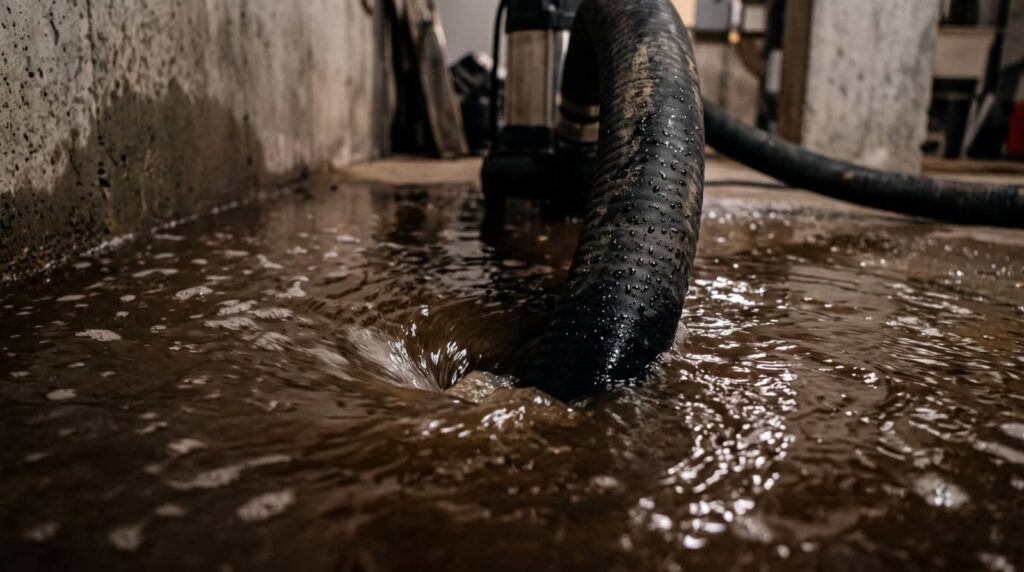
Once the damage assessment is complete, commercial water extraction begins by removing standing water as quickly and safely as possible with pumps, truck-mounted vacuums, and portable extractors.
You’ll work with a crew that isolates the area, protects traffic paths, and routes hoses to discharge water efficiently. Strong extraction cuts downtime and limits secondary damage.
- High-capacity pumps remove deep water fast.
- Vacuums pull moisture from carpets, seams, and low spots.
- Portable units reach tight areas around equipment and walls.
You should expect technicians to monitor flow, power, and slip hazards throughout the job.
When your team acts fast and uses the right equipment, you keep operations moving and stay part of a business community that handles losses with discipline and confidence.
Dry Walls, Floors, and Business Equipment
After extraction, you need to dry walls, floors, and business equipment quickly to stop mold growth, warping, and corrosion.
Position air movers to create crossflow across wet surfaces, and run dehumidifiers to pull moisture from the air. You should monitor moisture content in drywall, wood framing, and concrete with a meter, because hidden dampness can linger behind finishes.
Open cabinets, move portable assets off the floor, and separate electronics so each item dries evenly. For sensitive equipment, power it down, document its condition, and use controlled drying only if manufacturer guidance allows.
Track temperature and relative humidity throughout the job, and keep doors adjusted to stabilize airflow. When your team works this way, you protect operations, shorten downtime, and restore a safer workspace.
Remove Contaminated Materials Safely
Even with aggressive drying, some materials can’t be salvaged after flood exposure, so you need to remove contaminated items quickly and in a controlled way.
Put on PPE, isolate the work zone, and bag debris before it spreads silt, sewage, or mold. You’ll protect your crew and keep your restoration plan on track when you follow a disciplined sequence:
- Identify porous materials, insulation, and damaged contents that can’t be cleaned.
- Remove them in sealed containers, then label and stage them for disposal.
- Clean adjacent surfaces with approved disinfectants and verify residue is gone.
Work methodically, document what you remove, and maintain clear paths for your team.
When you handle contaminated materials this way, you create a safer site and help your building community recover faster.
Get HVAC, Electrical, and Plumbing Back Online
Before you restore normal operations, you need to verify that HVAC, electrical, and plumbing systems are safe to energize and free of flood-related damage.
Bring in licensed technicians to inspect panels, motors, controls, ducts, breakers, switches, pumps, and fixtures before startup. Test insulation resistance, verify grounding, and replace any corroded or waterlogged components.
Flush plumbing lines, disinfect potable-water branches, and confirm backflow devices work correctly. For HVAC, clean coils, check drain pans, and replace filters after the system dries.
Restore power in stages, then monitor loads, temperature, pressure, and leaks closely. Document every step so your team stays aligned, confident, and ready to reopen safely with less downtime.
Prevent Mold After Flood Damage Restoration
Once HVAC, electrical, and plumbing systems are back online, you need to move quickly to prevent mold growth in damp building materials, hidden cavities, and occupied spaces. You’re protecting your crew, tenants, and brand when you control moisture now.
Inspect wall assemblies, ceiling plenums, and underfloor voids for lingering wetness, then dry them with targeted airflow and dehumidification. Remove porous materials that stayed wet too long, and clean hard surfaces with approved antimicrobials.
- Measure moisture daily until readings stabilize.
- Keep indoor humidity below 60%.
- Seal and isolate affected zones during cleanup.
Document every surface you treat, because that record helps your team stay aligned and accountable. If you catch residual moisture early, you’ll reduce odor, spore spread, and future complaints, and your building will feel safe again.
Reduce Downtime With a Flood Recovery Plan
To reduce downtime after flood damage, you need a recovery plan that assigns roles, sets decision thresholds, and sequences work before crews arrive on site.
You should name a command lead, safety contact, and vendor liaison, then map critical systems, shutoff points, and protected assets.
Build contact lists for your insurer, restoration contractor, electrician, and IT team, and store them offsite.
Define when you’ll evacuate, isolate power, or reopen zones so your team can act fast.
Prioritize drying, debris removal, sanitation, and equipment checks in order of business impact.
Track progress with photos, logs, and moisture readings so everyone stays aligned.
When your crew knows the playbook, you cut confusion, protect your people, and get your operation back online sooner.
Frequently Asked Questions
How Long Does Commercial Flood Restoration Usually Take?
Usually, you’ll need 3 days to several weeks, depending on damage severity, drying time, and repairs. You can speed things up with rapid extraction, dehumidification, and coordinated crews working around your operations.
Who Pays for Flood Damage Restoration Costs?
You usually pay first, then recover costs from insurance, a landlord, or responsible contractors, depending on your lease and policy. You should document damage fast, keep receipts, and file claims immediately to protect reimbursement.
Can a Business Stay Open During Restoration?
Sometimes, yes—you can keep operating if the damaged zone stays isolated. Like a hospital using one wing during repairs, you’ll need barriers, air scrubbing, and phased work. You’ll minimize disruption and protect customers.
What Insurance Documents Are Needed After Flooding?
You’ll need your policy, claim number, photos, repair estimates, inventory lists, receipts, and any mitigation invoices. Submit loss reports, contractor scopes, and communication logs quickly so you can verify damages and speed reimbursement.
How Do You Choose a Restoration Contractor?
You choose a restoration contractor by verifying 24/7 response, commercial flood experience, certifications, licensing, and references. You should compare scopes, moisture-monitoring methods, and insurance coordination, then select the team you trust.
Summary
When floodwater hits your commercial building, you face chaos, but your response should be controlled. You inspect the damage, extract the water, dry the structure, and remove contaminated materials before they spread risk. Then you restore HVAC, electrical, and plumbing systems so operations can resume safely. By preventing mold and building a recovery plan, you reduce downtime, protect assets, and keep your business moving forward with confidence, not interruption.