
You might think flood cleanup is just drying out a room, but you need a methodical process to avoid hidden damage. You start with a full assessment using moisture meters and thermal imaging, then remove standing water fast. Next, you dry materials thoroughly, sanitize affected surfaces, and repair damaged structures. Each step matters, because missed moisture can lead to mold, and the final prevention measures can change everything.
Key Takeaways
- Professionals first assess flood damage, map moisture with meters or thermal imaging, and document affected areas for insurance claims.
- Standing water is removed quickly using pumps and extractors, prioritizing deep pooling areas and lowest rooms first.
- Damaged materials like carpet, drywall, and insulation are removed to prevent mold, contamination, and hidden structural deterioration.
- Air movers and dehumidifiers dry affected spaces, while cleaning and disinfecting reduce odors, residues, and microbial growth.
- Final restoration includes repairing salvageable structures and fixing drainage or leak sources to prevent future flooding.
What Flood Cleanup Includes
Flood cleanup includes rapid water extraction, removal of damaged materials, drying and dehumidification, and disinfection of affected areas.
You’ll want professional flood cleanup and restoration to isolate wet zones, protect salvageable items, and prevent further spread of moisture.
Technicians use pumps, vacuums, air movers, and dehumidifiers to control conditions and reduce lingering humidity. They also remove saturated drywall, insulation, carpet, and baseboards when materials can’t dry safely.
Throughout the process, they sanitize surfaces to limit contamination and help you regain a clean, stable environment.
This methodical work supports your home’s recovery and helps you feel confident that each step addresses structural and indoor air concerns.
With the right team, you’re not facing the aftermath alone; you’re moving forward together.
How Pros Assess Flood Damage
Before cleanup begins, professionals inspect the property methodically to determine how far water has traveled and which materials have been affected.
You’ll see them trace moisture paths through walls, floors, and hidden cavities, using meters, thermal imaging, and visual checks to map damage. They classify affected areas by material type and exposure time, since drywall, insulation, wood, and carpet each respond differently.
You’re included in the process through clear questions about leak sources, flood duration, and prior repairs, which helps the team verify findings. They also document conditions with photos and notes for your records and insurance claim.
This assessment lets the crew decide what can be restored, what must be removed, and how to protect your home’s structure and indoor air quality.
Remove Standing Water Fast
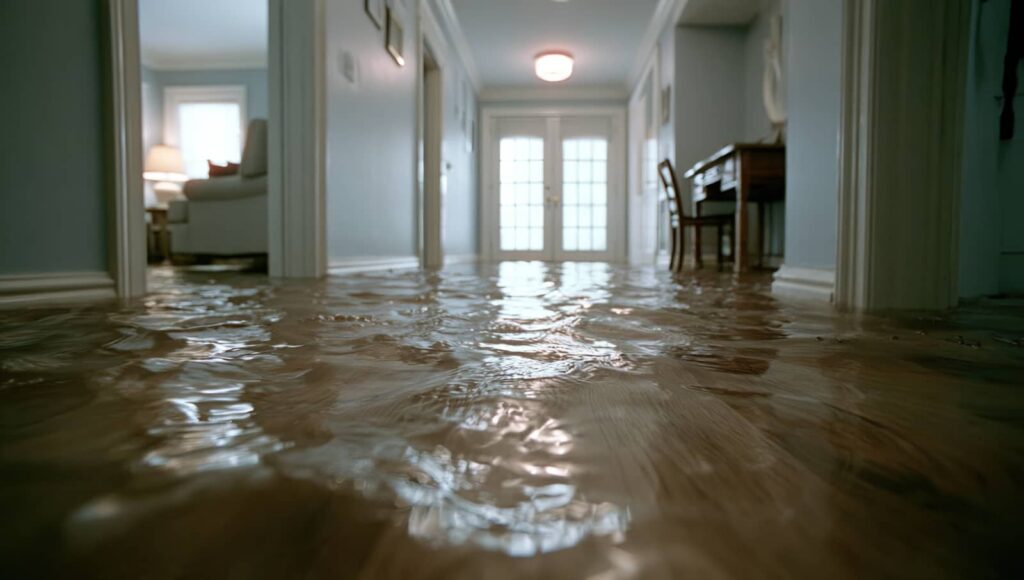
Pumps and extractors remove standing water as quickly as possible to limit further damage and reduce the risk of mold growth.
You’ll see crews place submersible pumps in deep pooling areas, then use truck-mounted or portable extractors for carpets, padding, and hard surfaces. They monitor flow rates, hose routing, and discharge points so water leaves the structure safely and efficiently.
You can expect technicians to work room by room, prioritizing the lowest areas first because water migrates there. They also document moisture conditions and protect unaffected spaces with containment.
This fast removal helps you stay ahead of structural weakening, staining, and contamination spread. By acting methodically, the team restores order, reduces hazards, and gives you a clear path to the next phase of recovery.
Dry Out Flooded Areas Completely
Once standing water is gone, technicians focus on removing hidden moisture from structural materials, finishes, and contents.
You’ll see air movers positioned to create steady airflow across wet surfaces, while dehumidifiers pull vapor from the air and lower indoor humidity.
Technicians monitor moisture levels in drywall, wood, insulation, and subfloors with meters, then adjust equipment placement to speed evaporation.
They may remove baseboards, open cavities, or expose trapped spaces so drying reaches every affected layer.
You stay informed through readings and progress checks, which help confirm when materials are drying within safe ranges.
This methodical process reduces swelling, warping, and mold risk, and it helps your property recover as a coordinated team effort.
Clean and Sanitize Surfaces
After the structure is dry, technicians clean and sanitize affected surfaces to remove soil, residues, and contaminants left by floodwater.
You’ll see them work in sections, using approved detergents to break down grime before applying EPA-registered disinfectants at the correct dwell time. They target walls, floors, cabinets, fixtures, and other hard surfaces that can hold bacteria, silt, and organic matter.
Soft materials get separate treatment when appropriate, but the focus here is on restoring clean, safe contact areas. Technicians also rinse where needed, wipe away residues, and verify that no sticky film remains.
This method helps reduce odors, lowers microbial risk, and prepares your space for the next phase of restoration. When it’s done well, your property feels stable, sanitary, and ready to move forward.
Repair Flood Damage and Materials
With the structure clean and sanitized, technicians assess what can be repaired and what needs replacement, then start restoring flood-damaged materials in a controlled sequence.
You’ll see them remove warped drywall, delaminated trim, and compromised insulation first, then stabilize framing, subfloors, and masonry. They measure moisture, check structural alignment, and document every section before making repairs.
Next, they patch, splice, sand, and seal salvageable surfaces so they match the surrounding assembly and meet code requirements. You stay informed through each step, so you know what’s being preserved and why.
Professionals also match replacement materials to the original build for consistent fit and finish. This method keeps the work organized, protects the property’s integrity, and helps your space move steadily back toward normal use.
Stop Mold and Future Water Damage
As repairs wrap up, professionals shift focus to stopping mold growth and preventing another water event from undoing the work.
You’ll see them verify moisture levels in framing, subfloors, and cavities with calibrated meters, then dry any lingering dampness with targeted airflow and dehumidification.
They apply antimicrobial treatments where needed and replace porous materials that can’t be safely restored.
To reduce future risk, they inspect roofs, gutters, grading, plumbing, and sealants, then correct drainage problems and leaks.
You can join the effort by reporting odors, staining, or soft spots early and keeping humidity controlled with ventilation.
This method keeps your space healthier, protects repairs, and helps your property stay resilient after flooding.
Frequently Asked Questions
How Long Does Professional Flood Restoration Usually Take?
Usually, you’ll need 3–10 days for minor flooding, but severe damage can take weeks or months. You’ll coordinate inspections, drying, repairs, and sanitizing, so your timeline depends on water depth, materials, and hidden moisture.
Will My Insurance Cover the Cleanup Costs?
Maybe—your policy usually covers sudden flood cleanup if you’ve got flood or water damage protection. You should review exclusions, document damage, and call your insurer fast; they’ll often require approved estimates and mitigation.
Can I Stay in My Home During Restoration?
You can’t safely stay if crews remove materials, run drying equipment, or detect contamination. You’ll usually need temporary housing, but you can remain only in unaffected areas when technicians verify safety and access.
What Should I Do Before the Restoration Team Arrives?
Turn off utilities, photograph damage, and move valuables to dry areas. You’ll join the owners who act fast and reduce losses. Ventilate safely, avoid contaminated water, and clear access for technicians.
How Much Does Flood Cleanup Typically Cost?
Flood cleanup typically costs you $1,200 to $5,000, but severe damage can exceed $10,000. You’ll pay for extraction, drying, sanitizing, and repairs; size, contamination, and response time strongly affect your total.
Wrap-Up
You’ve seen how professional flood cleanup moves like a well-orchestrated rescue: first the water is pulled away, then damage is mapped with precision tools, and drying equipment drives out hidden moisture. Next, surfaces are cleaned, sanitizing the space like a reset button, while repairs rebuild strength. Finally, prevention steps help lock the doors against future water intrusion. With the right process, you don’t just dry a building—you restore it, layer by layer, to stable ground.