
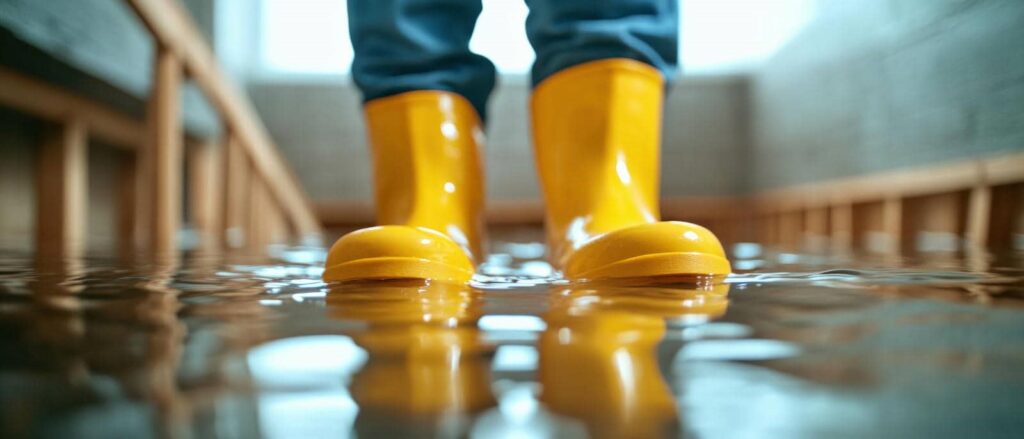
When water hits your property, you need to act fast, but not every step serves the same purpose. You’ll first focus on water mitigation to stop the damage from spreading, remove excess moisture, and protect materials that can still be saved. After that, water damage restoration may be needed to repair structural issues and return the space to normal. The difference matters more than you might think, and the next step depends on what’s already been affected.
Key Takeaways
- Water mitigation stops damage from spreading by extracting water, drying spaces, and protecting belongings after a leak or flood.
- Water damage restoration repairs and rebuilds affected areas, returning the property to safe, livable condition.
- Mitigation happens first and focuses on immediate stabilization; restoration follows once moisture is controlled.
- Hidden moisture can cause mold and structural issues, so professionals use meters and thermal imaging to find trapped water.
- Choose licensed, insured experts who provide fast response, clear documentation, and coordination with your insurer.
Water Mitigation vs. Water Damage Restoration: What’s the Difference?
When water hits your property, mitigation and restoration serve different but connected purposes: mitigation stops the damage from spreading, while restoration repairs the affected area and returns it to its pre-loss condition.
You can think of water mitigation vs water damage restoration as two stages of one coordinated response. Mitigation addresses the immediate threat by limiting moisture migration, protecting structural materials, and reducing secondary impacts like mold growth.
Restoration follows after conditions stabilize, replacing damaged components, drying assemblies, and rebuilding spaces to code. Together, they help you protect your home and regain normalcy with less disruption.
If you’re facing a loss, knowing this distinction lets you ask the right questions and feel confident your team is handling each phase with precision and care.
What Is Water Mitigation?
Water mitigation is the immediate response you use to control damage after a leak, flood, or burst pipe.
You’ll stop the water from spreading by extracting standing water, drying affected areas, and stabilizing the structure.
You’ll also protect property contents by moving or covering items before moisture causes further loss.
Immediate Damage Control
Stopping water from spreading is the goal of mitigation, which is the immediate damage control step after a leak, burst pipe, or flood. You act fast to limit how far moisture travels into flooring, drywall, cabinets, and insulation.
Mitigation also means protecting your belongings, reducing structural stress, and lowering the chance of mold growth. You’ll often see technicians assess the source, document affected areas, and begin controlled drying as soon as it’s safe.
This stage isn’t about full repair; it’s about stabilizing the space so damage doesn’t worsen. When you understand this step, you know you’re not alone—your response team is working with you to protect your home, restore control, and prepare the property for what comes next.
Stop Water Spread
Mitigation is the step where you stop water from spreading and stabilize the property before deeper repair begins. You’ll see technicians identify the source, shut off affected utilities if needed, and set up barriers or extraction equipment to limit migration into adjacent rooms.
They also map the wet areas, check moisture levels, and remove standing water so it can’t wick into flooring, baseboards, or framing. This process protects your home’s structure and helps you regain control quickly.
When you act early, you reduce the chance of hidden deterioration and preserve a safer environment for everyone inside. Water mitigation isn’t full restoration; it’s the focused response that contains the incident, creates a clear plan, and prepares your property for the next phase of recovery.
Protect Property Contents
Your belongings need protection as soon as moisture reaches a room, so mitigation teams move quickly to reduce loss and prevent secondary damage.
You’ll see them sort items by salvageability, then move furniture, rugs, electronics, documents, and décor to a dry, stable area. They use protective wrapping, raised shelving, and moisture barriers to keep items from wicking water or absorbing humidity.
If contents can stay in place, they’ll place blocks under legs and monitor temperature, airflow, and relative humidity around them.
You’re part of the recovery team, too, because clear communication helps crews label, inventory, and track every item.
This careful handling limits mold growth, corrosion, staining, and odor, giving your property the best chance for a full, organized recovery.
What Is Water Damage Restoration?
Water damage restoration is the process of repairing and rebuilding a property after water intrusion has been addressed and the affected materials have been dried or removed. You’ll work with specialists who restore structure, function, and comfort so your space feels whole again.
They assess damage, document conditions, and perform targeted repairs with care.
Replace damaged drywall
Reinstall flooring and trim
Repair insulation and framing
Clean and sanitize surfaces
Restore paint, fixtures, and finishes
This stage focuses on precision, not panic. When you choose restoration, you’re rejoining a team that knows how to rebuild safely and efficiently.
The goal is to return your property to a stable, livable condition with clear communication and dependable craftsmanship.
When to Start Water Mitigation
The best time to start water mitigation is immediately after you discover water intrusion, before moisture has time to spread into drywall, framing, flooring, and insulation.
Act immediately after water intrusion—before moisture spreads into drywall, framing, flooring, and insulation.
You should act as soon as you notice standing water, damp odors, bubbling paint, or a sudden leak. Quick mitigation helps you limit absorption, reduce structural stress, and stabilize the affected area.
If you shut off the source, remove accessible water, and increase airflow right away, you give your space the best chance for a controlled recovery. You’re not overreacting; you’re protecting your home and your household.
Fast action also helps you coordinate with trained professionals who can assess conditions, document damage, and begin drying procedures.
When you respond early, you stay ahead of hidden moisture and keep the situation manageable.
When Water Damage Needs Restoration
You need restoration when water has compromised structural materials, such as warped framing, softened drywall, or sagging ceilings.
If moisture has lingered, you’re also facing mold growth risks and hidden dampness inside cavities, under flooring, or behind walls.
A proper inspection can confirm the full extent of the damage and guide the right repairs.
Signs Of Structural Damage
Cracked drywall, warped flooring, sagging ceilings, and doors that suddenly stick often point to structural moisture damage that mitigation alone can’t resolve.
You may also notice:
soft spots underfoot
baseboards pulling away
visible ceiling deflection
uneven floors
separated wall joints
These signs suggest framing, subflooring, or load-bearing materials have absorbed water and lost strength. When you see them, you need restoration, not just drying.
A qualified crew can inspect hidden components, document damage, and rebuild affected areas so your home feels stable again. Acting early helps you protect your property and stay part of a community that values safety, comfort, and confidence.
If the structure feels off, trust your instincts and call for a professional assessment before small movement becomes a bigger repair.
Mold Growth Risks
If moisture lingers after a leak or flood, mold can start growing within 24 to 48 hours and spread into drywall, insulation, framing, and flooring.
You need restoration when visible colonies, musty odors, or recurring discoloration appear after drying efforts. Mold can weaken materials, trigger allergies, and make shared spaces feel unsafe for your household.
A restoration team can remove contaminated surfaces, contain affected areas, clean with proper antimicrobial methods, and verify that humidity drops to safe levels. Acting fast helps protect your home and keeps your indoor environment comfortable for everyone.
If you wait, mold can advance quickly and turn a manageable cleanup into a larger, more costly repair. Early intervention gives you a better path back to a healthy, secure space.
Hidden Moisture Issues
Even when surfaces look dry, hidden moisture can remain trapped behind walls, under flooring, or inside insulation after a leak or flood. You may not see it, but it can keep materials wet, weaken structures, and create conditions that need restoration, not just mitigation.
Professionals use meters, thermal imaging, and controlled drying to find what you can’t. Look for:
musty odors
warped baseboards
soft drywall
damp carpet padding
recurring staining
If you notice these signs, you’re not alone, and you don’t have to guess. Restoration crews can remove trapped moisture, dry affected areas, and verify safe levels before rebuilding starts.
That careful process helps protect your home’s integrity and gives you confidence that the problem’s truly resolved.
How the Mitigation and Drying Process Works
Once the source of water gets stopped, the mitigation and drying process begins by removing standing water, extracting moisture from affected materials, and setting up targeted air movers and dehumidifiers to control humidity.
You’ll see technicians map wet areas, check moisture levels, and adjust equipment so airflow reaches hidden pockets. They monitor temperature, relative humidity, and surface readings to make sure drying stays on track.
This controlled approach limits secondary damage and helps your home return to a stable condition. You’re not left guessing; each step follows measurable data and clear progress checks.
With the right team, you can feel confident that your space is being treated methodically, and you’re part of a process built to protect both your property and your peace of mind.
What Water Damage Restoration Includes
After drying has stabilized the structure, water damage restoration focuses on bringing your home back to its pre-loss condition. You’ll see careful repairs that rebuild comfort and function, while keeping your space safe and familiar.
Remove damaged drywall, insulation, and flooring
Clean surfaces to reduce residue and odors
Repair structural materials and trim
Replace materials that can’t be salvaged
Refinish rooms so they match the rest of your home
This phase also addresses hidden concerns like warped framing or compromised finishes, so you don’t end up with lingering issues.
With each step, you’re moving from disruption toward normal again, and your home starts feeling like yours again.
How to Choose a Water Damage Pro
How do you choose the right water damage pro when the clock is ticking? Start by verifying they’re licensed, insured, and trained in both mitigation and restoration.
You want a team that answers fast, explains moisture readings, and uses professional drying equipment, not guesswork. Ask whether they document damage with photos and provide a clear scope before work begins.
A reliable pro should also coordinate with your insurer and keep you updated in plain language. Look for local experience, strong reviews, and emergency availability, because you deserve help from people who know your community’s needs.
When they arrive prepared, communicate well, and respect your space, you’ll feel confident you’re in capable hands.
How to Prevent Future Water Damage
The best water damage pro won’t just dry out the current problem—they’ll help you reduce the odds of a repeat event. You can protect your home by tracking moisture, sealing leaks, and keeping drainage systems clear.
After cleanup, inspect plumbing, roofs, windows, and appliances on a schedule. Replace brittle hoses, test sump pumps, and maintain proper grading so water moves away from your foundation. Your team should also measure humidity and recommend dehumidification where needed.
Stay connected with neighbors who’ve faced similar issues; shared tips can help you spot trouble early.
Seal gaps around pipes
Clean gutters and downspouts
Check attic and crawlspace moisture
Install leak detectors
Service HVAC and plumbing regularly
Frequently Asked Questions
Does Homeowner’s Insurance Cover Mitigation Services?
Usually, yes—your homeowner’s insurance may cover mitigation services when you act promptly to prevent further damage. You’ll need to document the loss, review your policy, and work with approved contractors to protect coverage.
How Long Does Water Mitigation Usually Take?
Usually, you’ll see water mitigation take 1 to 5 days, like a storm clearing a home’s horizon. You’ll dry materials, remove water, and stabilize damage quickly, depending on severity, humidity, and hidden moisture.
Can I Stay Home During the Drying Process?
Yes, you can usually stay home if the area’s safe and your equipment can run uninterrupted. You’ll need good ventilation, limited access, and protection from noise, dust, and humidity while the materials dry.
What Should I Do Immediately After Discovering a Leak?
You should shut off the water, cut power near the leak, and move belongings. Act fast: mold can start in 24–48 hours. Then document damage, call your insurer, and contact your trusted water mitigation pro.
How Much Does Professional Water Damage Service Cost?
You’ll typically pay $1,500–$5,000, though small jobs cost less and major losses cost more. You’ll get faster drying, cleaner repairs, and clear communication, helping you feel supported while technicians protect your home and limit hidden damage.
Recap
When water hits your home, you need to act fast. Mitigation stops the spread, while restoration rebuilds what’s been lost. In fact, mold can begin growing in just 24 to 48 hours, so every minute matters. If you start drying, removing damaged materials, and documenting losses right away, you’ll limit structural damage and speed recovery. Trust a qualified pro to assess the damage, restore safety, and help you get your property back on track.