
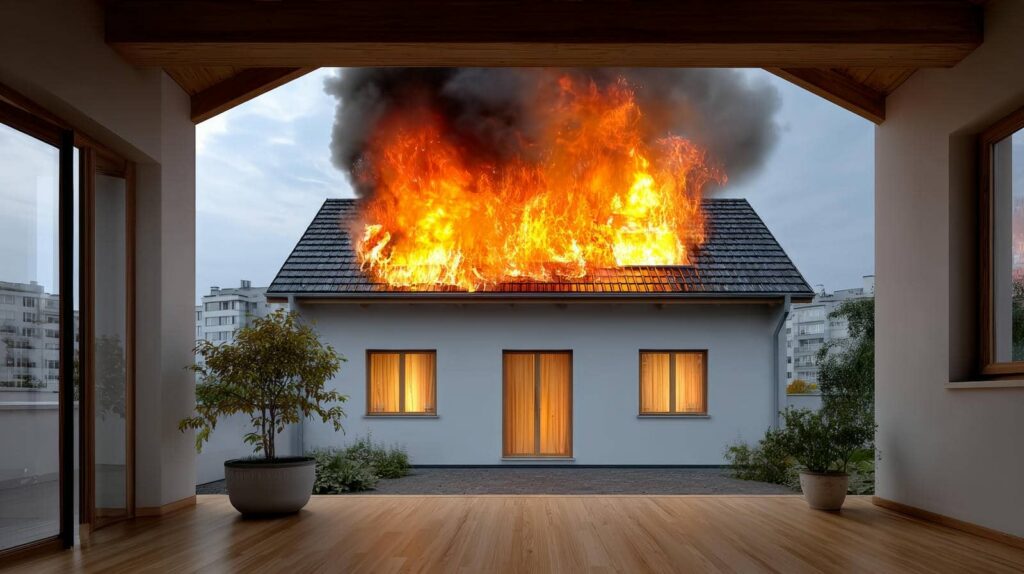
Smoke Damage Cleanup should begin only after the property has been declared safe to enter, as a prompt and organized response can reduce long-term damage. Start by documenting all affected areas for insurance purposes, then remove soot using the appropriate cleaning methods while addressing smoke residue and odors before they become deeply embedded in surfaces and HVAC systems. Some materials and personal belongings can be cleaned and restored, while others may need to be removed and replaced. Following the proper cleanup process helps improve indoor air quality, prevent permanent staining and lingering odors, and restore your property as safely and efficiently as possible.
Key Takeaways
- Make the home safe first: avoid affected rooms, open windows if possible, and shut off HVAC to limit soot spread.
- Document smoke and fire damage with photos, odors, and stains for insurance before moving or cleaning items.
- Inspect fire-affected areas to identify soot patterns, moisture, odor sources, and materials that need removal.
- Remove soot with dry sponges, HEPA vacuums, and gentle cleaners, repeating until residue no longer transfers.
- Treat odors and HVAC contamination with specialized deodorization, filter replacement, and professional duct and component cleaning.
What to Do After Smoke Damage?
After smoke damage, you should act quickly to limit further contamination and start protecting your property.
First, make sure everyone’s safe and avoid using affected rooms until the air is checked. Then, open windows if conditions allow and shut off HVAC to reduce soot spread.
Make sure everyone’s safe, avoid affected rooms, open windows if possible, and shut off HVAC to limit soot spread.
You can remove lightweight valuables from clean areas, but don’t wipe surfaces yet; dry soot can smear and embed deeper.
Take photos for insurance and document odors, stains, and damaged materials.
Wear gloves, a mask, and closed shoes when you must enter.
For smoke damage cleanup after house fire, work with trained professionals who can assess hidden residue, odor migration, and porous materials.
You’re not alone here; the right support helps you recover faster and restore a healthier home.
How Smoke Cleanup Starts
Smoke cleanup starts with a careful inspection of the fire-affected areas to identify soot patterns, moisture, odor sources, and materials that need immediate removal or protection.
You’ll often see a restoration team map affected rooms, note ventilation paths, and test hidden spaces where smoke can linger. This first step helps them build a safe plan for your home, not guess at one.
They’ll also document damage for insurance, isolate sensitive contents, and secure areas that could spread contamination. If water from firefighting is present, they’ll factor in drying needs right away.
You’re not facing this alone; a trained crew uses this assessment to guide every decision, reduce risks, and help your space feel manageable again.
How Soot Is Removed From Surfaces
Once the affected areas have been mapped and protected, technicians move on to soot removal using methods matched to the surface type. You’ll see dry sponges, HEPA vacuums, and gentle brushes used first to lift loose residue without grinding it in.
On painted walls, trim, and cabinets, crews apply cleaning agents selected for the soot’s composition, then wipe in controlled passes to avoid streaking. Hard surfaces may need repeated cleaning until the residue no longer transfers.
Crews use targeted cleaning agents and careful wiping to lift soot from painted surfaces without streaking.
For textiles, upholstery, and porous materials, you may need specialized extraction or containment to prevent deep embedding. Every step protects intact finishes and limits cross-contamination.
This process restores clean touchpoints and gives you a safer, more manageable space while your team works through each room with care and precision.
How Smoke Odors Are Eliminated
When smoke has settled into walls, fabrics, and hidden cavities, technicians target the odor at its source rather than masking it with fragrance. You’ll usually see a layered process that restores your home’s air and surfaces:
HEPA vacuuming removes fine residues that keep odors active.
Thermal fogging or hydroxyl treatment reaches porous materials and neutralizes trapped smoke molecules.
Specialized cleaning agents lift oily contaminants from hard surfaces and soft goods.
You’re kept informed at each step, so you know why each treatment matters and how it supports your recovery.
Technicians may repeat deodorization until sensors and trained inspections confirm the smell has dropped to a safe, comfortable level.
The goal is simple: help you feel at home again, with clean air that doesn’t remind you of the fire.
How HVAC Systems Hide Smoke Damage
As air circulates after a fire, your HVAC system can quietly spread smoke residue through ducts, vents, and air handlers, even in rooms that look untouched.
Tiny soot particles cling to coil surfaces, filters, blower components, and insulation, where they keep releasing odor each time the system runs. You may notice faint discoloration around registers or a stale smell that returns after cleaning.
Technicians inspect the full system, including return lines and drip pans, to find hidden buildup. They often isolate affected zones, replace contaminated filters, and clean internal components with specialized tools.
Technicians inspect return lines and drip pans, isolating buildup, replacing filters, and cleaning components with specialized tools.
This targeted approach helps restore healthier airflow and protects your home’s comfort. You’re not dealing with this alone; a careful HVAC assessment gives your cleanup team the map they need.
What Can Be Saved After a Fire?
After smoke has moved through your HVAC system and settled into hidden areas, the next question is what you can realistically keep. You can often save items with nonporous surfaces, stable finishes, and limited heat exposure if you act quickly and document damage.
Technicians usually evaluate:
Hard furnishings, metal fixtures, and sealed counters
Glass, ceramic, and intact electronics housings
Clothing, books, and textiles with light soot only
Porous materials, melted plastics, and deeply charred objects usually need removal because they trap odor and contaminants.
You belong in this recovery process, and you don’t have to guess alone. A careful inspection helps you separate salvageable pieces from items that could keep spreading smoke residue through your space and make your home feel less safe.
Smoke Damage Cleanup Timeline and Costs
Smoke damage cleanup usually starts as soon as the fire scene is declared safe, because delays let soot, moisture, and odor set deeper into materials.
You can expect an initial inspection, debris removal, air filtration, surface cleaning, and odor treatment over several days, with larger losses taking one to three weeks or longer.
Technicians first test materials, then prioritize items that need immediate stabilization.
Costs depend on smoke type, square footage, contamination depth, and whether structural repairs are needed.
Costs depend on smoke type, square footage, contamination depth, and whether repairs are needed.
Minor cleanup may run in the low thousands, while heavy damage can cost much more.
Your insurer often covers part of the work, and a detailed estimate helps you plan.
Throughout the process, you’re not facing this alone; a clear timeline keeps your home moving toward safe, clean recovery.
Frequently Asked Questions
Can Smoke Damage Affect Electronics and Appliances?
Yes, smoke can damage your electronics and appliances by corroding circuits, coating vents, and trapping heat. You’ll want a technician to inspect, clean, and test them quickly so you can restore safe, reliable operation.
Is Smoke Cleanup Safe for Children and Pets?
Yes, you can keep children and pets safe when you leave during cleanup, ventilate rooms, and use trained professionals. You’ll reduce soot, odor, and contaminants, protecting everyone while your home’s restored.
Do I Need to Replace Clothing After a House Fire?
You usually don’t need to replace all clothing; you can often salvage washable items through professional cleaning. You should discard heavily burned, melted, or persistently contaminated garments, because soot and toxins can remain.
How Is Smoke Damage Handled for Insurance Claims?
You’ll document losses, photograph damage, and list affected items. Your insurer then reviews the report, estimates restoration costs, and may approve cleaning, repairs, or replacement. You’ll coordinate with adjusters to keep claims moving smoothly.
Can Smoke Damage Cause Long-Term Health Problems?
Yes, smoke damage can cause long-term health problems; wildfire smoke raises respiratory visits. You’ll reduce risks with professional cleanup, HEPA filtration, and timely odor removal, restoring safer, healthier spaces.
Wrap-Up
After a house fire, you’ll want to move carefully and let the restoration process do its work. The smoke cleanup crew will help document the situation, remove soot, ease lingering odors, and check hidden areas like your HVAC system. Some items may be gently retired, while others can be revived. By staying in close touch with the team, you’ll know what’s next and can focus on getting your home back to a safe, comfortable state.