

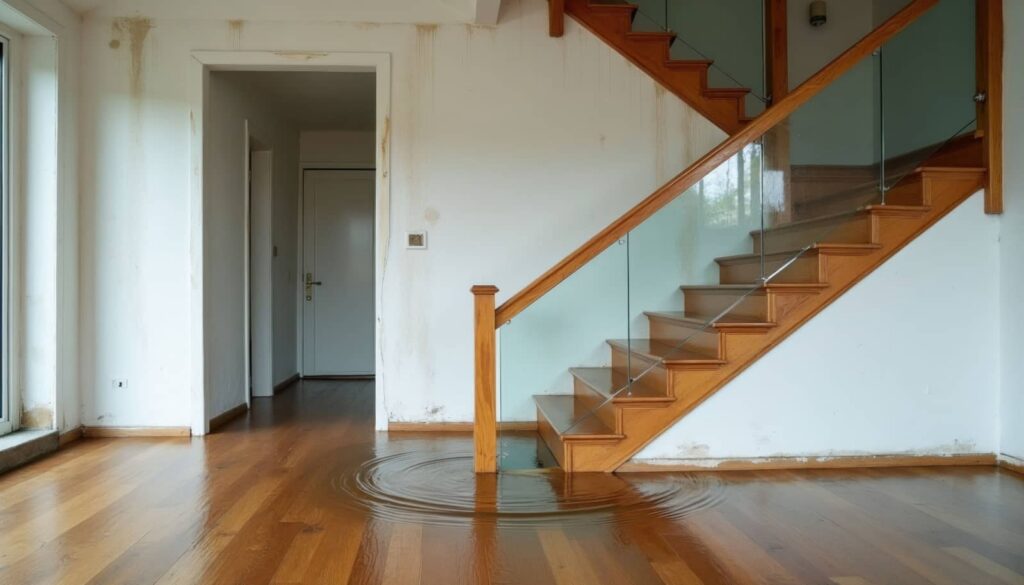
When your basement floods, you need to act in the first hour or the damage spreads fast. You’ll shut off power, stop the water source, and document everything before you start removal. Then you can pull standing water, dry the structure, and clean contaminated surfaces with the right products. But hidden moisture, mold, and damaged materials often remain, and that’s where the cleanup gets more complicated.
Key Takeaways
- Photograph damage immediately and document the flood source, timing, and affected items.
- Shut off basement electricity, wear protective gear, and remove standing water with a pump or wet/dry vacuum.
- Remove wet carpet, insulation, baseboards, and damaged drywall to expose hidden moisture.
- Dry the area with fans and dehumidifiers, then clean hard surfaces and sort salvageable belongings.
- Call a professional for sewage, mold, electrical involvement, or major water intrusion.
Act Fast In The First Hour
In the first hour, act quickly to limit basement flood damage and reduce the risk of mold, structural issues, and electrical hazards. You’ll move with purpose: photograph standing water, soaked materials, and visible damage, then document the time and source for your basement flood damage restoration guide.
Remove portable items, lift boxes, and salvage dry goods before they absorb more moisture. Open doors for ventilation if it’s safe, and use fans only after you’ve confirmed electrical safety. Wear gloves, boots, and a respirator if needed.
Start blotting surfaces and extracting shallow water with a wet vacuum. Check walls, trim, and flooring for swelling.
You’re not alone here—fast, disciplined action helps your space recover sooner and keeps the cleanup manageable.
Stop Basement Flood Damage At The Source
Once you’ve documented the damage and started removing surface water, focus on stopping more water from entering the basement.
Shut off exterior hose bibs, check sump pump power, and inspect discharge lines for clogs or frozen sections. If rain is still falling, extend downspouts away from the foundation and clear nearby drains so runoff moves out, not in.
Seal obvious entry points with towels, foam, or waterproof tape only as a temporary barrier. If groundwater is pushing through wall cracks, contact a plumber, foundation contractor, or flood specialist right away.
You’re not dealing with this alone; fast, coordinated action protects the whole space. Keep doors shut, monitor humidity, and track where new seepage appears so you can target repairs before cleanup continues.
Remove Standing Water Safely
Before you remove the remaining water, shut off electricity to the basement at the breaker if there’s any chance outlets, appliances, or wiring are wet.
Then wear rubber boots, gloves, and eye protection so you can work safely and stay part of the crew handling the mess.
Use a sump pump, utility pump, or wet/dry vacuum to lower the water level fast. Start at the lowest point and move the hose or intake slowly to avoid clogging and flooding another area.
If the water is deep, pump in stages so pressure doesn’t damage walls or floors. Empty collected water outdoors, away from the foundation.
Watch for sewage, chemicals, or sharp debris, and stop if you smell gas or hear electrical buzzing.
Dry Walls, Floors, And Air
After the standing water is gone, remove wet carpet, padding, insulation, and any damaged baseboards so the structure can dry faster.
Open interior doors and cabinet doors, then position box fans to move air across walls and floors. Use a dehumidifier in the lowest, dampest area and empty it often.
If you can, run your HVAC fan to circulate drier air, but change filters if they’re dirty. Lift furniture blocks off wet floors so air reaches hidden areas.
Check wall cavities, trim, and subfloor edges for lingering moisture with a meter. Keep windows closed when outdoor air is humid.
You’re not just drying a room; you’re restoring a safe, familiar space for your household. Monitor humidity until materials read dry and stable.
Clean And Disinfect Flooded Surfaces
Use a disinfecting cleaner on hard, nonporous surfaces, then scrub away mud, silt, and residue with hot water and detergent.
Wear gloves, boots, and eye protection so you can clean safely and confidently.
Work from the top down, and keep rinsing your cloths or brushes in clean water to avoid spreading contaminants.
After washing, apply the disinfectant at the label’s required contact time; don’t wipe it off early.
Open windows and run fans to reduce fumes and speed drying.
Clean floors, baseboards, and exposed masonry in small sections, checking for missed grime in corners and seams.
If a surface stays sticky or smells musty, repeat the wash-and-disinfect cycle.
Your goal is a sanitized space that’s ready for the next restoration step.
Salvage Furniture, Documents, And Belongings
You should move out salvageable furniture first, then clean and dry it with airflow and low heat to prevent further damage.
For important documents, separate wet items immediately, lay them flat, and use absorbent paper or freezing if you can’t dry them right away.
Sort personal belongings into keep, clean, and discard groups so you can prioritize recovery and reduce contamination.
Salvage Usable Furniture
If the water hasn’t soaked into a piece for long, move salvageable furniture, documents, and belongings to a dry area right away.
Check each item for swelling, warped joints, soft upholstery, rust, and odor. Lift with care; wet wood and fabric tear easily. Remove cushions, drawers, and loose hardware so air can reach trapped moisture.
Place furniture on blocks or foil to keep legs off the floor. Wipe mud from hard surfaces with clean towels, then separate pieces so they don’t touch.
You’ll save more when you act fast and organize items by condition: keep, clean, or discard. Label anything with sentimental value so you can return to it later.
Don’t drag heavy furniture across wet flooring; it can damage both the item and your space.
Dry Important Documents
Paper items need fast, careful drying after a basement flood because moisture causes ink bleed, warping, and mold growth within hours. You should move documents to a clean, dry area with good airflow right away.
Separate each sheet if it’s safe to do so, and place plain paper towels between stacks to pull out surface moisture. Lay pages flat on a nonporous surface, or stand them in a fan-cooled position if they’re only damp, not saturated.
Use cool air only; heat can set stains and distort fibers. If you have files that matter to your household, handle them with clean hands or gloves.
Replace wet absorbent materials often so they don’t rewet the paper. Keep the space organized, calm, and consistent so you and your belongings recover faster.
Sort Personal Belongings
Sort belongings into clear salvage, clean, and discard piles as soon as the area is safe to enter. Move dry, intact items to a protected staging area and keep wet items separated to prevent cross-contamination.
Inspect furniture for warped frames, swollen particleboard, rusted hardware, and trapped moisture. Salvage solid wood, metal, and sealed plastics after cleaning and drying. Discard upholstered pieces, mattresses, and porous items that stayed soaked.
Set aside documents, photos, and keepsakes for specialized drying or digitizing. Wear gloves and a mask, and handle debris carefully to avoid cuts and mold exposure.
Label boxes by room and condition so you can track what’s recoverable. If you sort quickly and methodically, you’ll reduce losses and keep the restoration process moving.
Watch For Hidden Mold
You should inspect behind baseboards, inside wall cavities, under flooring, and around insulation, since mold often forms in hidden areas after basement flooding.
Look for musty odors, discoloration, peeling paint, or soft surfaces, which can signal active growth.
If you spot these signs, you’ll need to open affected areas, dry them fully, and remove contaminated materials promptly.
Mold In Hidden Areas
Even after visible water is gone, mold can grow in hidden spaces such as behind drywall, under flooring, inside insulation, and in wall cavities.
You need to inspect these areas early, because trapped moisture keeps feeding growth long after surface cleanup. Open access points carefully, remove wet porous materials that can’t dry fast, and run dehumidifiers and airflow to lower humidity.
Use a moisture meter to check framing, subfloors, and insulation so you know where drying still isn’t complete. If you belong to a team handling restoration, coordinate each step so no damp pocket gets missed.
Keep materials separated, document what you remove, and keep the work area contained. Fast, thorough drying protects the structure and helps your cleanup stay on track.
Signs Of Mold Growth
Watch for early mold signs where moisture lingered after the flood: a musty odor, dark or white discoloration, fuzzy growth, peeling paint, swelling drywall, and damp, stained insulation or framing.
Check behind baseboards, under carpet edges, inside wall cavities, and around joists, because mold often starts where you can’t easily see it. If you notice condensation, cool surfaces, or recurring damp spots, assume moisture is still feeding growth.
Photograph affected areas, mark boundaries, and keep air moving while you dehumidify. Wear gloves and an N95 when you inspect.
Don’t paint over damage or seal wet materials. Remove porous items that stay damp, and share your findings with your cleanup team so everyone stays aligned and you can stop spread early.
Repair Floors, Drywall, And Insulation
Inspect the structure carefully before you rebuild floors, drywall, and insulation after a basement flood.
You should remove warped subflooring, swollen baseboards, and any drywall that stayed wet beyond 24 to 48 hours. Cut damaged wallboard at least 12 inches above the waterline, then replace it with new panels fastened to clean, dry framing.
Check insulation for compression, odor, and contamination; if it’s wet, discard it and install fresh material.
Let concrete, framing, and cavities dry fully before you close them in. Use moisture readings to confirm safe levels, and make sure seams are tight and level.
When you work methodically, you protect your space and help your basement feel solid, clean, and ready for the crew again.
Prevent Future Basement Flood Damage
You can reduce future basement flood damage by improving drainage systems so water moves away from your foundation quickly.
Check gutters, downspouts, grading, and sump pump performance, and correct any weak points before the next storm.
You should also install flood barriers at vulnerable openings to block water intrusion and limit interior damage.
Improve Drainage Systems
Improving drainage systems is one of the most effective ways to reduce future basement flood damage. You should inspect gutters, downspouts, yard grading, and foundation drains to keep water moving away from your home.
Clear debris regularly so runoff doesn’t back up near the foundation. Extend downspouts far enough to discharge beyond the soil saturated zone. If your yard holds water, regrade low spots to direct flow outward.
Check interior floor drains and sump pumps for sediment, slow discharge, or worn parts, and test them during heavy rain.
After cleanup, keep a maintenance log so you and your household can spot patterns before they become problems. A reliable drainage setup helps your space stay dry, safe, and ready for the next storm.
Install Flood Barriers
Flood barriers add a physical line of defense that can stop water before it enters your basement. You can use sandbags, inflatable plugs, or hinged door shields at the most vulnerable openings. Measure each entry point first, then choose barriers rated for your expected water depth and flow.
Seal gaps around windows, stairwells, vents, and utility penetrations with compatible gaskets or temporary waterproof tape. Test every barrier before storm season so your crew knows the install order and fit. Store parts in one labeled kit for fast access.
Pair barriers with your drainage upgrades to reduce pressure on walls and floors. When you act early, you protect your space, support your neighbors, and keep cleanup manageable after heavy rain.
When To Call A Restoration Pro
Call a restoration pro when basement water intrusion is more than a minor, clean-water spill, since professionals can assess contamination, structural risk, and hidden moisture faster than a typical DIY cleanup.
You should also call right away if sewage, storm runoff, or mold is present, or if water reached electrical panels, insulation, or finished walls.
Pros use moisture meters, thermal imaging, extraction pumps, and air movers to stop secondary damage and verify dry-out.
If cracks, sagging, or shifting appear, you need expert structural review.
By acting early, you protect your home, your crew, and your peace of mind.
You’re not overreacting; you’re choosing the right team when the job exceeds safe, fast DIY cleanup.
Frequently Asked Questions
How Much Does Basement Flood Restoration Usually Cost?
You’ll usually pay $1,500-$10,000 for basement flood restoration, depending on water depth, contamination, square footage, and repairs. You can reduce costs by removing water fast, drying thoroughly, and documenting damage for insurance claims.
Does Homeowners Insurance Cover Basement Flood Damage?
Homeowners insurance usually covers basement flood damage from sudden events, like burst pipes, if you’ve maintained the property. It typically won’t cover groundwater, sewer backups, or gradual seepage unless you’ve added specific flood or water backup coverage.
How Long Before Mold Starts Growing After Flooding?
Mold can start growing in 24 to 48 hours after flooding. You’ll protect your space by removing water fast, lowering humidity, and drying materials completely with fans, dehumidifiers, and prompt cleanup.
Can I Stay in My Home During Basement Flood Cleanup?
You can stay in your home if the basement’s isolated, electricity’s safe, and no sewage’s involved. You’ll need good ventilation, protective gear, and sealed barriers; leave if odors, mold, or structural damage spread.
What Tools Help Detect Hidden Moisture in Basements?
Moisture meters, infrared cameras, and hygrometers help you detect hidden basement moisture; you’ll spot wet drywall and damp framing fast, while dry surfaces can still hide trouble. Use them together, and you’ll fit right in.
Recap
You’ve got the tools to beat basement flood damage fast, but timing is everything. Act like a crew in a storm scene and move with purpose: stop the water, clear it out, dry every surface, and disinfect thoroughly. Don’t let hidden mold or soaked materials linger. Restore what you can, replace what you must, and prevent the next breach before it starts. If damage runs deep, call a pro before a small flood becomes a long-term failure.