

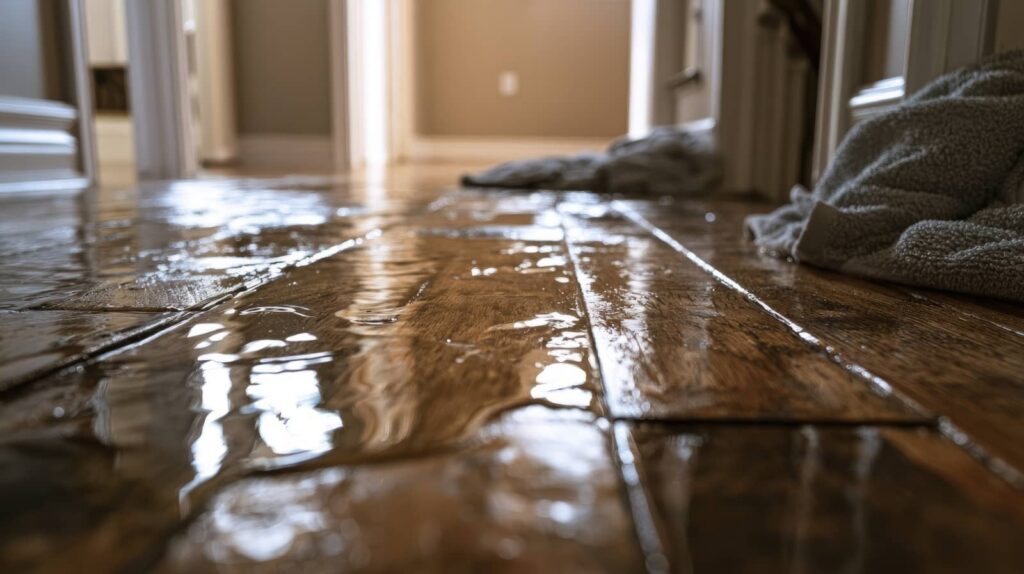
If you’re facing flood damage, you’ll want to know what restoration might cost before the bills start adding up. Prices can range from a few hundred dollars for a small cleanup to several thousand for major repairs, and the final total depends on how much water got in, how fast you act, and what needs replacing. Here’s what usually drives the price, and what services should be included.
Key Takeaways
- Flood damage restoration can cost a few hundred to several thousand dollars, depending on room size and damage severity.
- Standing water, soaked materials, and deeper structural damage increase labor, drying, cleanup, and repair costs.
- Typical services include inspection, water extraction, sanitation, structural drying, and repairs to floors, walls, and contents.
- Insurance may cover drying, cleanup, and repairs, but coverage depends on the water source, deductibles, exclusions, and policy limits.
- Quick action, detailed documentation, and prioritizing essential repairs can reduce costs and improve restoration results.
How Much Flood Restoration Costs
So, how much does flood restoration cost? You’ll usually see the cost of flood damage restoration services range from a few hundred dollars for minor cleanup to several thousand for widespread damage.
If your space has standing water, soaked materials, or hidden moisture, the bill can climb quickly. A small room may cost less, while a whole-home project can require a bigger budget.
You’re not alone in facing this, and a trusted restoration team can help you understand what’s necessary. Ask for a written estimate, and make sure it includes drying, cleaning, and repairs.
Quick action often protects your home and keeps costs from rising. With the right support, you can move forward confidently and get your place back to normal.
What Affects Flood Restoration Costs
Your flood restoration cost depends a lot on how much water damage you’re facing, since deeper or more widespread damage takes more time and work to fix.
You’ll also see pricing change based on material costs and labor rates in your area. Knowing these factors helps you plan ahead and make informed choices about repairs.
Water Damage Severity
Water damage severity is one of the biggest factors in flood restoration costs because the more water that enters your property, the more time, labor, and materials it takes to fix.
If you catch the damage early, you’ll usually face a simpler cleanup and a lower bill. But if water sits for hours or days, it can spread into walls, floors, and hidden spaces, which makes restoration more involved.
You may also need extra drying, removal, and rebuilding to get your home safe again. The good news is that acting fast helps limit the damage and gives you more control over the outcome.
You’re not alone in this process, and a prompt response can make a real difference in both cost and recovery.
Material And Labor Costs
Material and labor costs can shift flood restoration pricing quite a bit because every job needs different supplies, equipment, and skill levels.
You’ll usually pay more when crews need specialty drying machines, antimicrobial treatments, new drywall, flooring, or insulation. Labor also matters: licensed technicians, electricians, plumbers, and carpenters may all need to step in, especially if the damage affects several rooms.
If your home needs demolition, hauling, or rebuild work, costs rise quickly. You can keep things steadier by getting a detailed estimate early and asking what’s included.
A good team will explain each line item clearly, so you know you’re not alone in the process. That transparency helps you plan confidently and move toward normal again.
What Flood Restoration Prices Include
Flood restoration prices typically include several core services needed to get your property safe and dry again, such as water extraction, drying and dehumidification, cleaning, and damage assessment. You’re not just paying for labor; you’re paying for a coordinated response that helps you move forward with confidence.
Initial inspection and documentation so you know what’s affected
Cleanup and sanitation to reduce odors and contamination
Structural drying support to help prevent lingering moisture issues
Your quote may also reflect emergency response, equipment use, and materials needed to restore damaged areas. A good provider explains each line item clearly, so you feel included, informed, and ready for the next step.
When you understand what’s covered, it’s easier to compare estimates and choose the right team for your home.
Water Removal and Drying Costs
After the initial assessment, the biggest cost drivers are usually water removal and drying, because crews need to extract standing water fast and then run specialized equipment to pull moisture from walls, floors, and hidden spaces.
You’ll usually pay for pump and vacuum work, air movers, dehumidifiers, and moisture monitoring. The total rises with the water depth, affected square footage, and how long the water sat before help arrived.
If you act quickly, you can often limit equipment time and keep costs lower. Your restoration team should explain daily charges and the expected drying window so you know what’s happening and why.
In a stressful moment, that clarity helps you feel supported and makes the process easier to manage.
Cleanup Costs After Flood Damage
Cleanup after flood damage can include debris removal, water extraction, and thorough sanitization, and each step affects your total cost.
You’ll usually pay more if the flooding left heavy debris or contaminated water behind, since crews need extra labor and supplies.
The good news is that prompt cleanup can help limit damage, speed drying, and keep restoration expenses under control.
Debris Removal Costs
Debris removal can be one of the first and most visible costs you’ll face after flood damage, since crews often need to clear out wet drywall, flooring, insulation, furniture, and contaminated materials before any restoration work can begin.
You’re not just paying for labor; you’re paying for safe handling, hauling, and disposal. Costs usually rise with volume, access, and how much damage spread.
To plan better, focus on:
- How much material must be removed
- Whether items are heavy, bulky, or hazardous
- How quickly you need the space cleared
If you act fast, you can limit extra charges and keep the job moving.
You’re not alone in this process, and a good crew will help you understand what’s necessary, what’s optional, and what fits your budget.
Water Extraction Expenses
Once the visible debris is cleared, the next major expense is usually removing standing water from the affected area. You’ll typically pay for pumps, wet vacs, hoses, and the crew’s labor time, and the total depends on how deep the water is and how much space it covers.
Small jobs may stay manageable, while larger rooms, basements, or hard-to-reach areas can raise the bill quickly. If water keeps flowing in, you may need extra visits, which adds cost.
Ask for a clear estimate that breaks down equipment and labor so you know what you’re paying for. When you understand these charges, you can plan with confidence and feel more in control during a stressful cleanup.
Sanitization And Drying
After the water is gone, sanitization and drying become the next key costs because they help prevent mold, odors, and long-term structural damage. You’ll usually pay for antimicrobial treatments, air movers, dehumidifiers, and technician labor. The size of your space, how long it stayed wet, and what materials were soaked all affect the bill.
Sanitizing hard surfaces and salvageable items
Running professional drying equipment for several days
Monitoring moisture until levels return to safe ranges
If you act quickly, you can often reduce damage and keep restoration costs lower. Your crew will guide you through each step, so you won’t have to guess what comes next.
That support helps you feel less overwhelmed and more confident while your home gets back to normal.
Repair Costs for Floors, Walls, and Contents
Repair costs for floors, walls, and contents can add up quickly, and the total depends on how much water got in and how long it sat before cleanup started.
You may need new carpet, padding, laminate, drywall, baseboards, or flooring underlayment if materials warped or stayed wet too long.
Drywall often needs cutting out, patching, and repainting. Cabinets, trim, and insulation can also raise the bill.
For your belongings, some items can be cleaned and saved, while others, like soaked furniture or damaged electronics, may need replacement.
A trusted restoration team will inspect each area, explain what’s salvageable, and help you focus on the repairs that matter most.
That way, you can move forward with a clear plan and feel supported every step of the way.
How Insurance Affects Flood Restoration Bills
Insurance can make a big difference in what you pay out of pocket for flood restoration, but coverage often depends on the source of the water and the details of your policy.
When you file a claim, your insurer may pay for drying, cleanup, and repairs that fit your coverage, leaving you with the deductible and any excluded items. You’ll feel more confident if you understand these basics:
Cause matters: burst pipes, storm surge, and sewer backup can each be treated differently.
Documentation counts: photos, receipts, and damage notes help support your claim.
Policy limits apply: your payout may stop once you reach your coverage cap.
If you’re unsure, ask your adjuster to explain what’s included.
You’re not alone in this process, and clear answers can ease stress.
How to Lower Flood Restoration Costs
You can lower flood restoration costs by acting fast and focusing on the most important tasks first. Shut off water, document damage, and call your insurer right away so you don’t lose time or coverage.
Remove standing water, dry affected areas, and move furniture to a safe spot before mold spreads. If you can, salvage only items that truly need professional help, and clean small, nonporous surfaces yourself.
Ask for a detailed estimate, compare licensed contractors, and avoid unnecessary upgrades during repairs. You’ll also save by packing away unaffected belongings and using fans, dehumidifiers, and open windows when conditions allow.
Stay organized, keep receipts, and communicate clearly with your restoration team. With steady action, you can protect your home and your budget.
Frequently Asked Questions
How Long Does Flood Restoration Usually Take?
Flood restoration usually takes 3 to 10 days, but severe damage can stretch to weeks. You’ll move faster with prompt drying, extraction, and repairs, and your team’ll keep you updated throughout the process.
Can Mold Appear During Flood Restoration?
Yes—mold can appear during flood restoration, like weeds after rain. You’ll want fast drying, strong ventilation, and quick cleanup. If you spot musty smells or spots, call your restoration team right away.
Do I Need to Leave My Home During Cleanup?
Not always, but you may need to leave if crews use strong chemicals, remove contaminated materials, or work on major drying. You’ll stay safer and more comfortable elsewhere, especially if children, pets, or mold risks are involved.
How Are Sewage-Contaminated Floods Priced Differently?
Sewage-contaminated floods cost more because you’re facing hazardous waste, extra protective gear, specialized cleaning, and stricter disposal rules—like cleaning a nightmare. You’ll usually pay for testing, sanitizing, and full contamination removal too.
Should I Hire a Restoration Company Immediately?
Yes—you should hire a restoration company immediately, because you can limit damage, prevent mold, and protect your home. You’ll get faster drying, safer cleanup, and clearer costs, so you can feel supported and informed.
Final Thoughts
Flood damage restoration costs can feel like a storm cloud, but you can keep expenses from snowballing by acting fast. When you call a pro, document the damage, and start drying right away, you help protect your home and your wallet. Insurance may soften the blow, but knowing what’s included and what drives pricing puts you in control. Move quickly, stay organized, and you’ll steer your recovery toward smoother, less costly shores.