

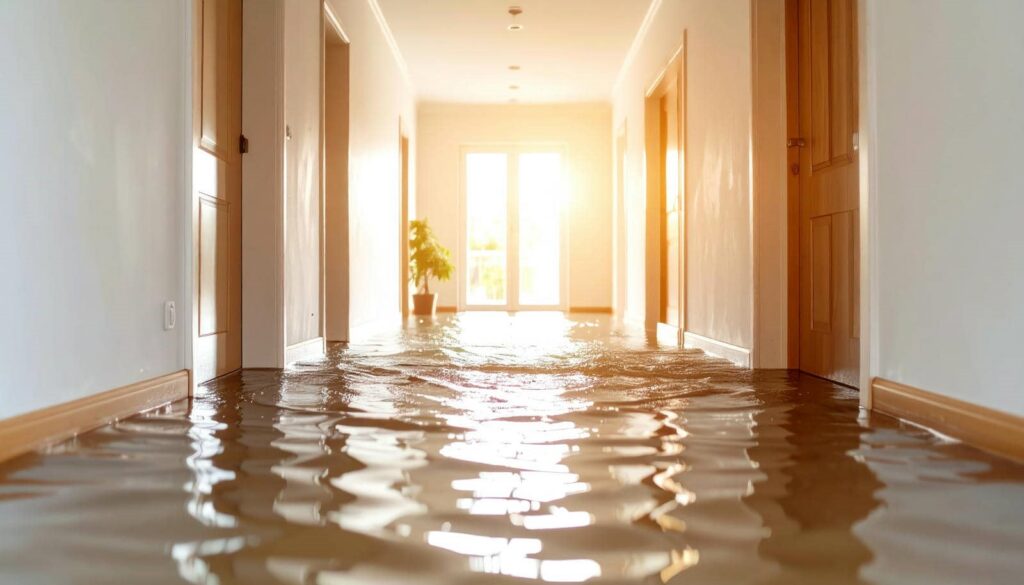
When water finds a way in, your property can change fast. You need to act on the source, extract standing water, dry affected materials, and stop mold before it starts. Water mitigation limits structural loss and helps preserve finishes, insulation, and framing. But not every leak, flood, or moisture stain calls for the same response, and the right next step depends on what you can’t yet see.
Key Takeaways
- Water mitigation quickly stops water intrusion, removes standing water, and dries materials to prevent further property damage.
- Fast response is critical because moisture can cause structural damage and mold growth within 24 to 48 hours.
- Common causes include plumbing leaks, appliance failures, roof leaks, flooding, and hidden moisture inside walls or ceilings.
- Small clean-water incidents may be handled with fans and dehumidifiers, but contaminated water or structural damage needs professionals.
- Prevent future damage by inspecting plumbing, sealing entry points, maintaining gutters, testing sump pumps, and controlling indoor humidity.
What Is Water Mitigation
Water mitigation is the process of quickly reducing and controlling water damage after a leak, flood, or other moisture intrusion.
In water mitigation, you identify the source, stop further intrusion, and remove standing water from affected areas. You then dry structural materials, extract moisture from carpets and flooring, and monitor humidity to restore safe conditions.
This technical work helps you protect walls, subfloors, insulation, and contents from continued deterioration. When you understand water mitigation, you can respond with confidence and feel supported by a team that knows the steps.
Effective water mitigation uses specialized equipment, measured procedures, and careful inspection to confirm that hidden moisture doesn’t remain in your property.
Why Fast Water Mitigation Matters
Fast water mitigation limits water absorption into building materials, reducing structural damage and material loss.
It also suppresses the conditions that support mold growth, which can begin within 24 to 48 hours after exposure.
Rapid Damage Reduction
Swift response limits how far moisture can spread, reducing structural damage before it worsens. You’ll protect framing, subfloors, drywall, and finishes by extracting standing water quickly and stabilizing affected areas.
Immediate containment helps you isolate wet materials, control humidity, and lower the chance that water migrates into hidden cavities. When you act fast, you also reduce warping, swelling, corrosion, and delamination in building components.
Your mitigation team can use pumps, vacuums, air movers, and dehumidifiers to remove bulk water and accelerate drying with measurable targets. That process keeps your property safer and helps your household regain normal use sooner.
In a skilled response, every hour counts, and quick action keeps your recovery on track.
Mold Growth Prevention
Once bulk water is removed and moisture levels start dropping, the next priority is stopping mold before it takes hold. You reduce that risk by keeping indoor humidity below 60%, moving air across damp materials, and drying porous surfaces fast.
Mold spores are always present, but they need sustained moisture to colonize. If wet drywall, insulation, or framing stays damp, growth can begin in 24 to 48 hours. You should inspect hidden cavities, because trapped moisture can fuel unseen colonies.
Use dehumidification and targeted airflow until materials reach safe moisture readings. When you act quickly, you protect your home’s air quality, limit structural decay, and stay ahead of problems that can spread quietly through shared living spaces and affect everyone’s comfort.
Property Protection Steps
When water intrusion hits, prompt mitigation helps you protect structural components before damage spreads into framing, subfloors, drywall, and finishes. You should shut off the source, document visible damage, and move furniture, rugs, and electronics out of the affected area.
Next, you need to extract standing water, remove wet materials, and increase airflow with fans and dehumidifiers. This limits swelling, delamination, and hidden moisture that can compromise your home’s integrity. Fast action also reduces mold risk and helps you stay aligned with a restoration team that understands your concerns.
Common Causes of Water Damage
You’ll often face water damage from plumbing failures, such as ruptured pipes, leaking fittings, or malfunctioning appliances that release water into walls and flooring.
Severe weather events can also drive water intrusion through roofs, windows, and foundations when runoff or flooding overwhelms your property’s barriers.
Identifying these sources quickly helps you target mitigation before the damage spreads.
Plumbing Failures
Plumbing failures can release a large volume of water quickly, turning a minor defect into significant structural damage. You’re most vulnerable when supply lines, joints, valves, or appliance connections corrode, loosen, or crack under pressure.
Even a slow leak can saturate drywall, subflooring, and insulation, creating hidden moisture that spreads behind finishes. You should inspect under sinks, behind toilets, and around water heaters for staining, warping, or mineral buildup.
If you hear running water when fixtures are off, shut off the main valve and call a licensed plumber. Quick detection helps you protect your space, reduce repair costs, and keep your home safe, dry, and ready for your household’s daily routine.
Severe Weather Events
Severe storms can overwhelm your property in minutes by driving rain through roof vulnerabilities, forcing water past windows and doors, and flooding crawl spaces or basements.
You need to treat wind, hail, and storm surge as direct threats to your building envelope. Inspect flashing, seals, gutters, and drainage before storm season, then clear debris so runoff moves away from foundations.
If flooding starts, shut off power in affected areas, document damage, and contact a mitigation team right away. Rapid extraction, dehumidification, and targeted drying limit structural deterioration and mold growth.
When you act quickly, you protect flooring, insulation, and framing.
Stay ready with a response plan, because prepared property owners recover faster and stay part of a safer, more resilient community.
What Water Mitigation Does for Your Home
Water mitigation quickly limits the spread of water damage in your home by removing excess moisture, drying affected materials, and stabilizing the structure before further deterioration occurs.
You protect flooring, drywall, insulation, and framing from swelling, warping, and decay. By reducing humidity fast, you also lower the chance of microbial growth and lingering odors.
This service helps you preserve indoor air quality and keep your home safer for your family. It can also reduce repair costs by stopping damage before it becomes widespread.
When you act quickly, you join other homeowners who value prompt, informed protection.
Water mitigation doesn’t restore everything, but it creates the controlled, dry environment your home needs to recover well and stay structurally sound.
Water Mitigation Process Step by Step
A thorough mitigation response follows a clear sequence: first, professionals inspect the affected areas, identify the water source, and assess the extent of damage; next, they stop the source if needed, extract standing water, and remove unsalvageable materials.
You then get targeted drying, using air movers, dehumidifiers, and moisture meters to reduce concealed humidity.
Technicians clean and sanitize affected surfaces to limit contamination and support a safe indoor environment.
Throughout the job, they document conditions, track progress, and adjust equipment placement as readings change.
Finally, they verify that materials have reached acceptable dryness before closing the project.
When you understand each step, you can work with the team confidently, stay informed, and feel included in the restoration process from start to finish.
Signs You Need Water Mitigation Now
How can you tell it’s time to act? You’ll see visible pooling, damp drywall, warped flooring, or stains that spread after a leak.
If paint bubbles, baseboards swell, or ceilings sag, moisture is already affecting structural materials. A persistent musty odor often signals hidden saturation and early microbial growth.
You may also notice condensation on windows, rust on fixtures, or a sudden rise in utility bills from unnoticed pipe loss.
Don’t ignore soft spots underfoot or recurring discoloration around plumbing, appliances, or exterior walls. These signs mean water is migrating where it shouldn’t.
Acting quickly helps you protect your space, reduce repair costs, and keep your home safe and welcoming for everyone who lives there.
DIY Water Mitigation vs Professional Help
Once you’ve spotted pooling, warped materials, or musty odors, the next question is whether you can handle the moisture yourself or need professional mitigation.
You can tackle small, clean water incidents if you act fast, remove standing water, and dry exposed surfaces with fans and dehumidifiers. You should still inspect hidden cavities, since trapped moisture often lingers behind baseboards and under flooring.
Professional help becomes critical when water is contaminated, damage affects structural materials, or saturation extends into walls, ceilings, or insulation.
Professional help is essential when water is contaminated or has reached walls, ceilings, insulation, or structural materials.
Mitigation specialists use moisture meters, thermal imaging, and industrial drying equipment to verify that affected areas are truly dry.
Choosing the right path protects your property and helps you stay confident, informed, and supported during a stressful event.
How to Prevent Future Water Damage
To prevent future water damage, you’ll need to control the common failure points before they become emergencies. Inspect supply lines, drain hoses, valves, and appliance seals on a set schedule, and replace any part that shows cracking, corrosion, or swelling.
Keep gutters clear and downspouts extended so runoff moves away from your foundation. Seal gaps around windows, doors, and pipe penetrations to reduce intrusion during heavy rain.
Test your sump pump and backup power before storm season. In humid areas, manage indoor moisture with ventilation and dehumidification so condensation doesn’t feed hidden damage.
Check your water pressure, because excessive pressure stresses plumbing joints. When you stay proactive, you protect your home, support your household’s safety, and keep your property resilient together.
How to Choose a Water Mitigation Company
When water damage does happen, the company you choose can affect how quickly the loss is contained and how much of the property can be saved.
The company you choose can determine how quickly water damage is contained and how much of your property can be saved.
You should verify 24/7 availability, IICRC certification, and direct experience with extraction, structural drying, and mold prevention. Ask whether they use moisture meters, thermal imaging, and documented psychrometric drying plans.
A reliable team will explain scope, give a written estimate, and coordinate with your insurer without pressure. You want technicians who communicate clearly, show up fast, and treat your space with respect, because that helps you feel supported during a stressful event.
Check reviews, response times, and emergency protocols, then confirm they’ll inspect hidden cavities and monitor progress until materials reach safe moisture levels.
Frequently Asked Questions
Does Homeowners Insurance Cover Water Mitigation Costs?
Homeowners insurance usually covers water mitigation costs when sudden, accidental damage causes the loss. You’ll need prompt reporting, documentation, and policy review; it typically won’t cover neglect, floods, or long-term leaks.
How Long Does Water Mitigation Usually Take?
You’ll usually see mitigation take 1-5 days, though a burst pipe once left a home’s floors drying for three days. You’ll need faster extraction, dehumidification, and monitoring to stop mold and restore normal conditions.
Can Water Mitigation Save Personal Belongings?
Yes, you can often save personal belongings if you act quickly. You’ll need rapid drying, cleaning, and moisture control to stop deterioration, reduce mold risk, and restore fabrics, documents, electronics, and furniture before permanent damage sets in.
Is Water Mitigation Different From Water Restoration?
Yes—water mitigation and water restoration aren’t the same, ironic as that sounds. You’ll mitigate to stop further damage, then restore to return your space, belongings, and comfort to pre-loss condition.
What Should I Do Before the Mitigation Team Arrives?
You should shut off water if it’s safe, move valuables, photograph damage, and clear access paths. You can also avoid wet areas and electrical hazards, so the mitigation team can work quickly and protect your property.
Final Thoughts
Water mitigation protects your property by stopping damage early, drying materials quickly, and reducing mold risk. When you act fast, you limit structural deterioration, preserve building components, and lower repair costs. If you inspect regularly, maintain plumbing and drainage systems, and choose a qualified mitigation company, you’ll strengthen your defense against future losses. Don’t wait for moisture to spread; respond immediately, document the damage, and restore your home with a clear, controlled plan.